How to Improve SEO in 2026: Revolutionize Your Content Strategy with Automated SEO Tools
You can publish "great content" and still watch your rankings sit still for months. The problem usually isn't effort, it's consistency, coverage, and feedback loops. In 2026, search is faster, more crowded, and more competitive, which makes "we'll blog when we have time" a losing strategy.
If you're searching for how to improve SEO, the simplest answer is this: publish useful, search-focused content consistently, track what's moving, then double down on the topics that actually pull impressions and clicks. Automated SEO tools can handle the heavy lifting, as long as you use them with the right guardrails.
How to Improve SEO in 2026 Without Working Twice as Hard
Most people treat SEO like a one-time project. They do a site audit, fix a few pages, write a handful of posts, then wait. That approach breaks down because Google doesn't reward "a burst of effort," it rewards sites that keep earning relevance over time.
In 2026, I think about SEO as a production system, not a creative hobby. You need a repeatable way to:
- Find topics that match real search intent (what someone is trying to do)
- Publish content at a steady pace
- Learn what's working by watching rankings and performance
- Improve or replace what isn't working
Automation helps because it makes the system reliable. If content only gets created when you feel inspired, you'll publish less, cover fewer keywords, and learn slower.
Here's the part people miss: consistent content output isn't just about "more pages." It's about building topical coverage. When you publish across a theme (like "roof repair," "roof replacement," "storm damage," "insurance claims," and "maintenance"), you make it easier for search engines to understand what your business is about.
That's why automated SEO tools are getting so popular. They're not magic, but they do solve a real problem. They take the repeatable work (writing, formatting, optimization) and turn it into a set-and-forget routine.
If you want the short version of the decision: you use automation to scale what's already clear and proven, and you use human attention where judgment matters (offers, brand voice, compliance, and priorities).
What Automated SEO Tools Should Actually Do (and What They Should Not)
Not all automation is helpful. Some tools spit out shallow posts and call it "SEO," then people wonder why nothing moves. The goal isn't to publish words. The goal is to publish pages that match intent and earn visibility.
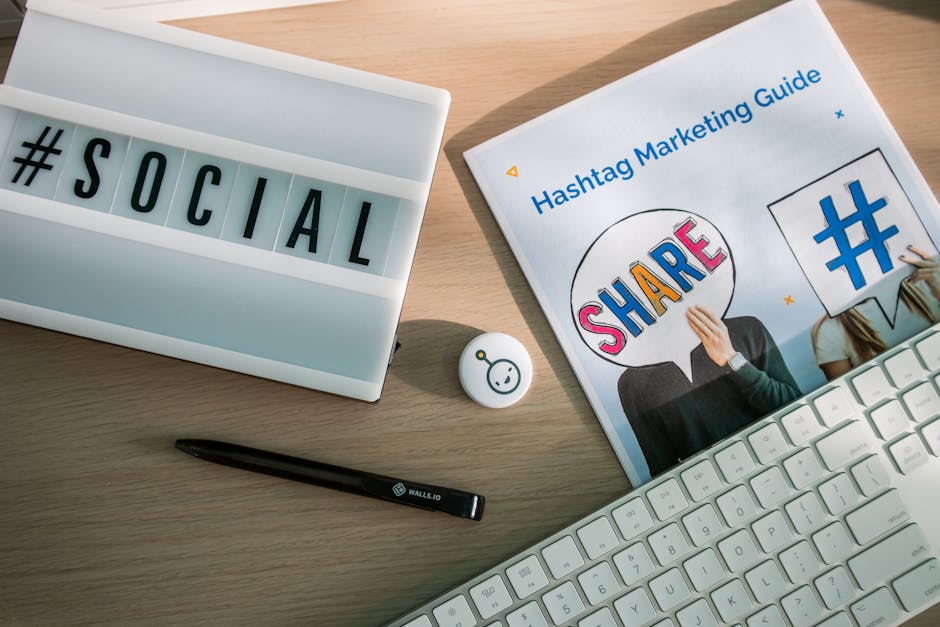
A good automated SEO tool should do a few core things well:
- Help you publish consistently (daily or close to it)
- Keep posts structured and readable (headings, sections, clear takeaways)
- Aim each post at a real topic, not random fluff
- Create content that's easy to index and understand
- Make performance visible so you can make decisions fast
A good automated SEO tool should NOT:
- Pretend every post will rank
- Publish on topics that don't match your business or location
- Create duplicate or near-duplicate content that wastes crawl budget
- Ignore brand and legal constraints (especially in finance, health, or legal)
This is where people get burned. They buy automation, then they never set boundaries. The tool keeps publishing, but it's publishing the wrong things, or publishing without a strategy.
My rule is simple: automate the production, not the thinking.
You still need a content plan, even if it's a lightweight one.
A Simple Decision Framework: Diy, Agency, or Automated SEO Tools
Most business owners are stuck between three options, and each one has trade-offs. Here's how I'd choose, based on what you actually need.
Choose DIY Content If...
DIY is best when you have real expertise and enough time to publish consistently.
- You can write 2 to 4 solid posts per month, every month
- You enjoy writing and can stay on schedule
- Your business needs high-touch nuance (examples: medical, legal, investing)
- You can monitor rankings and make updates when needed
The hidden cost is time. If your posting pace drops to zero for long stretches, your learning slows down too.
Choose a Traditional Agency If...
An agency can make sense when you want strategy plus execution and you can afford it.
- You need a full SEO plan (technical, content, links, reporting)
- You're in a high-competition space and want hands-on guidance
- You have budget for ongoing work and revisions
The hidden cost is speed. A lot of agencies publish slowly because everything goes through meetings, approvals, and revisions.
Choose Automated SEO Tools If...
Automation is the best fit when your biggest bottleneck is output and consistency.
- You want content going live regularly without babysitting it
- You're building topical coverage across many services, products, or locations
- You want to learn faster by getting more pages into the "ranking test"
- You value predictable pricing over open-ended retainers
The hidden cost is oversight. You still need to sanity-check topic alignment and keep your site's priorities straight.
This is exactly why we built SEO Sniper the way we did. I wanted a set-and-forget content engine that still gives you visibility into what's happening. If you're trying to publish at scale without paying agency rates, our automated posts plus ranking dashboard solve that gap.
If pricing is part of your decision, start with Automated blog post service pricing for smart marketers so you can match a plan to your portfolio size.
Worked Example: Turning Automation Into a Real 90-Day SEO Plan
A lot of content advice dies at the moment you try to apply it. So here's a concrete way to use automated SEO tools in 2026 without spraying random posts everywhere.

Let's say you run a local service business with one website. You have 8 core services and you serve a metro area plus nearby suburbs.
Your goal for the next 90 days isn't "rank #1 for everything." Your goal is to build a base of pages that:
- Cover your main services
- Answer common customer questions
- Target high-intent searches (people ready to hire, not just browse)
- Create internal linking paths so Google and users can find related pages
Phase 1 (Weeks 1-2): Set Your Guardrails
Before you publish at speed, decide what "on-topic" means for your site.
- List your top services (the ones that pay the bills)
- List the locations you actually serve
- List the problems you solve (repairs, installs, emergency calls, inspections)
- List deal-breakers (topics you do not want to publish, like unrelated products)
This keeps automation from drifting.
Phase 2 (Weeks 3-6): Build Your Topic Clusters
Now you create clusters (a group of pages around one theme). You don't need a fancy tool to do this. You need clarity.
Example cluster for "Service A":
- "Service A cost in [city]"
- "Service A vs Service B (which is right for you)"
- "Signs you need Service A"
- "How long Service A takes"
- "Mistakes to avoid with Service A"
That cluster works because each post has a different intent. One is price, one is comparison, one is diagnosis, one is timeline, one is risk prevention. That's variety, and variety helps you avoid thin, repetitive content.
Phase 3 (Weeks 7-10): Publish Consistently and Watch Early Signals
This is where automation earns its keep. Publishing frequently helps you test more topics sooner.
Early signals to watch:
- Which pages get impressions first (Google is at least showing them)
- Which pages start moving up even if they're not on page one
- Which topics get zero traction (often a sign of weak intent match)
You don't need to panic if a post doesn't rank in two weeks. You do need to notice patterns.
Phase 4 (Weeks 11-13): Double Down and Update
At this point, you're not guessing as much. You have performance clues.
- Expand the clusters that are getting impressions and clicks
- Update posts that are close to ranking (small tweaks can matter)
- Merge or remove content that overlaps too much
This "publish, measure, adjust" loop is what most businesses never reach because they don't publish enough to generate feedback.
If you want to see what to track inside a real reporting interface, our write-up on SEO dashboard features for marketers breaks down what matters and how to use it.
The Trade-Offs Nobody Tells You About Automation (and How to Avoid Them)
Automation can absolutely help, but it has edge cases. Ignoring them is how people end up with a site full of posts that don't move the needle.
Trade-Off 1: More Content Can Create More "Noise"
If your site publishes a lot of posts that don't match your offer, you're not building authority. You're diluting it.
Fix: define your topic boundaries upfront. Keep publishing tied to your services, products, and locations.
Trade-Off 2: Similar Posts Can Cannibalize Each Other
Cannibalization means multiple pages compete for the same query, and neither wins. This happens when automation produces posts that are basically the same article with swapped wording.
Fix: plan your clusters so each post has a clear, unique angle (cost, timeline, comparison, checklist, troubleshooting). If two posts feel interchangeable, combine them.
Trade-Off 3: "Set and Forget" Still Needs a Quick Monthly Review
Even with the best tools, you need a short review to keep things aligned. SEO isn't a crockpot where you never lift the lid.
Fix: do a 30-minute monthly check.
- Scan new post titles for relevance
- Identify the top performers and expand those topics
- Identify the weakest posts and decide to update, merge, or stop that topic
Trade-Off 4: Automated Content Won't Fix a Broken Site
If your site is slow, hard to crawl, or confusing, content alone won't carry you.
Fix: handle basics first. Clean navigation, fast pages, clear service pages, and internal links that make sense. For technical issues beyond basics, talk to a qualified SEO or developer.
Trade-Off 5: Some Niches Need Extra Caution
If you're in health, legal, or finance, the bar is higher. You can still use automation, but you should review anything that could be taken as professional advice.
Fix: keep content informational. Add disclaimers where appropriate. For anything that touches personal decisions, encourage readers to consult a licensed professional.
What I'd Do If I Were Starting Fresh in 2026 (a Practical Playbook)
If you're rebuilding your content strategy this year, I wouldn't start with "write 100 posts." I'd start with a system that makes every post count.

Here's the playbook I'd follow.
- Pick one main goal per site (leads, sales, bookings, demos).
- Map 5 to 10 money topics (the services or products that drive revenue).
- Build one cluster per money topic, with 5 to 8 supporting posts each.
- Publish consistently using automation to keep momentum.
- Track rankings and performance, then expand what's showing signs of life.
This approach is boring on purpose. Boring systems win.
At SEO Sniper, we built our plans around that reality. If you're running one site and want steady publishing, our Basic plan is built for that (1 website, up to 1 automated SEO post per day). If you manage a few sites, Standard covers 3 websites and up to 3 posts per day. If you're running a bigger portfolio, Pro goes up to 10 websites and 10 posts per day.
The point isn't to publish for bragging rights. The point is to publish enough that SEO becomes measurable, then repeat what works.
If you want the automated route but you're unsure how it fits your growth goals, start with automated SEO blog post service for affordable business growth. It'll give you a clear sense of where automation helps most.
FAQ
How Long Does It Take to See SEO Results From Automated Content?
In our experience, you usually see early signs first (impressions, initial rankings) before you see meaningful traffic. The timeline depends on your site's history, competition, and how well topics match intent. The win with automation is speed of learning, because you can test more topics faster.
Will Automated SEO Tools Hurt My Site?
They can, if the content is off-topic, repetitive, or low-quality. Used correctly, automation is just a faster way to execute a real content plan. Keep guardrails, review monthly, and prioritize usefulness.
Should I Publish Daily Posts or Fewer Higher-Quality Posts?
If you can publish truly high-quality posts consistently, fewer can work. Most businesses can't maintain that pace manually. Automation lets you keep frequency high while staying focused on relevant topics. The key is that each post should target a distinct intent, not duplicate another page.
Do I Still Need an SEO Dashboard If I'm Automating Content?
Yes. Publishing without tracking is like running ads without looking at results. A dashboard helps you spot what's moving, what's stuck, and what you should write next.
Can I Use Automation Across Multiple Websites?
Yes, and it's one of the best use cases. Agencies, marketers, and entrepreneurs often manage several sites and struggle to publish consistently across all of them. That's exactly where automated posting plus a ranking view saves time.
If you want to revolutionize your content strategy in 2026, don't bet everything on a few "perfect" posts. Build a system that publishes consistently, learns fast, and adapts based on performance. That's how to improve SEO without turning your calendar into a never-ending writing assignment.
If you're ready for the set-and-forget route, SEO Sniper is built to keep content flowing and keep your rankings visible, without agency pricing or constant coordination.