SEO Dashboard Features for Marketers: Discover Affordable SEO Blog Writing Solutions Today
"Half the money I spend on advertising is wasted, the trouble is I don't know which half." That old quote still hits hard for marketers who publish content without clear tracking.
SEO Dashboard Features for Marketers can fix that fast, and they also change how you buy blog writing. If you can see rankings, clicks, and top pages in one place, you can stop guessing and start paying for content that actually moves the needle. This guide compares affordable SEO blog writing solutions, shows what dashboard features matter most, and explains how to pick a setup you can run without a huge agency bill.
The Real Cost Problem: Paying for Content Without Proof
Blog writing isn't "just writing." You're paying for research, strategy, editing, publishing, and the patience to wait for results. The painful part is that many teams pay premium rates while tracking performance in messy spreadsheets or tools only one person understands.
Google's own guidance makes it clear that useful, people-first content is what tends to perform, not fluff written for bots. That means your budget should go toward content that answers real questions and earns trust over time, not content that just fills a calendar. You can read the core philosophy straight from Google Search Central.
Here's the comparison most marketers face, even if they don't label it this way:
- High-cost agency writing with heavy meetings and long timelines
- Freelancers who may be great, but require lots of management
- In-house writing that's hard to scale when priorities shift
- Automated or semi-automated blog writing that ships consistently at a fixed price
A dashboard matters because it connects spend to outcomes. If you can quickly see which keywords climbed, which posts got clicks, and what topics keep winning, you can double down on winners and cut the rest.
If you want a deeper look at how marketers avoid overspending, check cost-effective blog writing solutions.
Comparing Affordable SEO Blog Writing Solutions (and What You Actually Get)
Affordable doesn't mean "cheap," it means predictable and efficient. The best low-cost options usually win by reducing overhead, not by lowering quality standards. That's why the comparison isn't only about price per article. It's about how much work you still have to do after the draft shows up.

A practical way to compare options is to look at three buckets: creation, optimization, and follow-through. Creation is the writing itself. Optimization is keyword placement, structure, and internal links. Follow-through is publishing cadence, updates, and reporting.
Here's a simple comparison of common choices, from most manual to most "set-and-forget":
- DIY in-house writing: full control, but slow and hard to scale
- Freelancer network: flexible, but consistency varies and editing takes time
- Agency retainer: strong strategy, but high cost and lots of calls
- Automated SEO blog writing service: fast volume, predictable pricing, needs strong quality checks
Even with automation, you still need a human standard. Your brand voice, product accuracy, and topic focus can't be random. The good news is that modern systems can handle repeatable tasks like formatting, on-page SEO, and publishing schedules, so your team can focus on creative briefs and campaign alignment.
This is where SEO Dashboard Features for Marketers become more than "nice to have." They're your quality control layer. You can spot if a topic cluster is climbing, if posts are being indexed, and if traffic is spreading beyond branded searches.
For an overview of automated publishing workflows, see automated SEO blog post services for marketers.
SEO Dashboard Features for Marketers That Matter (and Why)
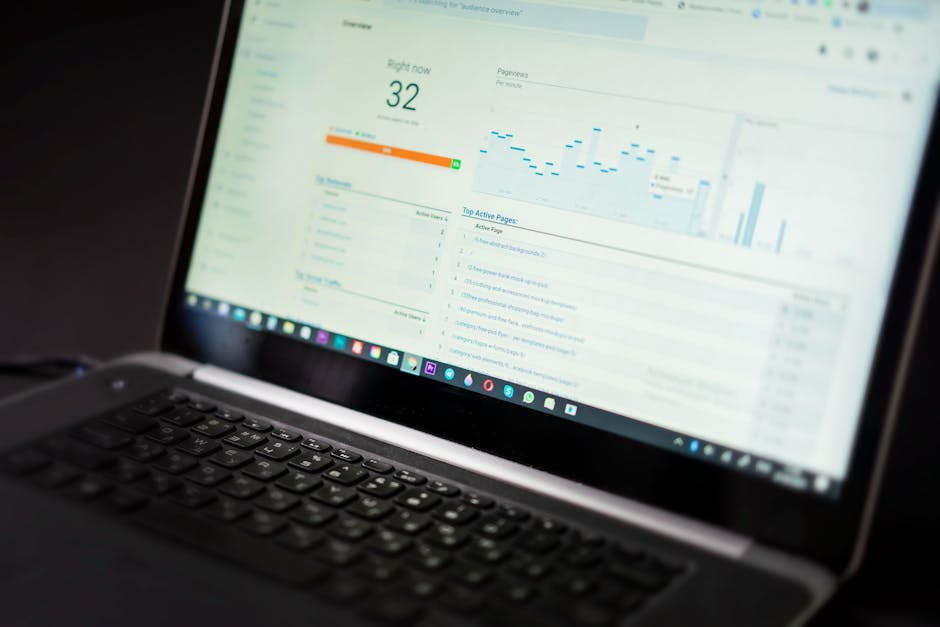
A dashboard should answer real business questions quickly. If it feels like a cockpit full of dials, it's going to get ignored. The goal is simple visibility, not more charts.
Marketers usually need to know four things: what's ranking, what's growing, what's stuck, and what to do next. That's why the best dashboards combine ranking data with content performance signals.
Here are SEO Dashboard Features for Marketers that are worth prioritizing:
- Keyword ranking tracking by page and topic
- Content performance by URL (clicks, impressions, click-through rate)
- Top performers and fast movers (posts gaining traction week over week)
- Pages losing rankings (so you know what to refresh)
- Indexing checks (so you can catch posts Google hasn't picked up)
- Site and content health flags (broken links, missing titles, duplicate pages)
- Competitor comparisons for a few important keywords
Those features align with how Google Search Console reports search performance, and that tool is still one of the most trusted baselines for organic visibility. Google documents its performance reporting in Search Console help.
A dashboard gets even more useful when it turns data into next actions. For example, "Post A ranks #11, add a FAQ section and improve internal links," is more helpful than a line chart.
If you want a plain-English breakdown of what dashboards usually include, read SEO dashboard features explained.
A Practical Workflow: How Marketers Use Dashboards to Choose Cheaper Writing That Still Ranks
Affordable blog writing works best with a tight feedback loop. That means you publish, measure, adjust, and repeat. The dashboard is the feedback loop. Without it, you end up ordering more posts based on vibes.

A realistic workflow doesn't need 15 tools. You can run it with one writing solution, one dashboard view, and a clear set of rules for what counts as success.
Here's a step-by-step workflow many marketers follow to keep costs down without sacrificing results:
- Pick 3 to 5 topic themes tied to your product and buyer questions
- Publish consistently (even 3 to 5 posts per week can build momentum)
- Track rankings and clicks in your dashboard every week
- Refresh posts that stall at positions 8 to 20 (small improvements can push them to page one)
- Expand winners into clusters (supporting posts that link back to the main post)
- Cut topics that don't show early signs of traction after a reasonable window
This approach lines up with what we see across the industry: consistent publishing plus smart updates often beats one-time "perfect" content. The content refresh strategy is also widely discussed in SEO research, and you can find strong guidance and examples from Ahrefs on how updates can improve performance.
To keep this workflow simple, set a few dashboard "rules." For example, if a post gets impressions but few clicks, improve the title and intro. If a post gets clicks but ranks flat, add better internal links and answer more related questions.
Pricing Reality Check: What "Affordable" Looks Like in 2026
Marketing budgets are still under pressure, and the "do more with less" trend isn't going away. A 2025 Gartner survey found marketers are still working with tight budgets and are expected to prove impact more clearly than ever. You can review budget context and trends from Gartner (access may vary by region and subscription).
So what does affordable mean for SEO blog writing in 2026? For most small teams, it means a flat monthly plan, predictable output, and reporting that proves value without extra hours.
Here's a practical way to think about pricing tradeoffs:
- Pay more if you need deep subject matter expertise, interviews, or original research
- Pay less if your content is informational, repeatable, and can be produced from a strong brief
- Pay for a dashboard if you don't have time to stitch together reporting yourself
On the SEO Sniper site, the value pitch is simple: automated SEO-optimized posts at a fraction of agency costs, plus a dashboard that shows where you rank and what you perform best on. That pairing is what makes affordable writing actually workable, because you're not just buying words, you're buying a system.
If you're comparing plans and trying to map output to ROI, this guide can help: automated blog post service pricing.
FAQ Affordable SEO Blog Writing and SEO Dashboard Features for Marketers
FAQ
What Are SEO Dashboard Features for Marketers, in Plain English?
They're the parts of an SEO reporting dashboard that help marketers see what content is working. The most useful features show rankings, clicks, impressions, top pages, and pages that need updates. A good dashboard also highlights trends so you can act fast, not just read reports.
Can Affordable SEO Blog Writing Still Rank on Google?
Yes, if the content is helpful, focused, and published consistently. Ranking usually comes from matching search intent (what the reader really wants) and building topical depth over time. Affordable services work best when you give clear topics, review for accuracy, and use a dashboard to refine what you publish next.
How Often Should I Check My SEO Dashboard?
Weekly is a sweet spot for most marketers. Rankings can move daily, but weekly checks prevent overreacting. Use the dashboard to spot patterns like posts gaining impressions, posts stuck on page two, and pages that are dropping.
What Should I Track First If I'm New to SEO Reporting?
Start with three metrics: clicks, impressions, and average position for your top pages. Then add click-through rate (CTR) and conversions if you have them set up. A dashboard that groups this by page makes it easier to connect content decisions to outcomes.
Should I Choose a Writing Service with Built-In Reporting?
If you don't already have a reporting stack, built-in reporting saves time and reduces confusion. It also makes it easier to prove ROI to clients or leadership. The best setup is writing plus SEO Dashboard Features for Marketers that show rankings and winners without extra spreadsheets.
Closing Thoughts: a Better Deal Isn't Cheaper Words, It's Faster Learning
Affordable SEO blog writing pays off when you can learn quickly and adjust. That's why SEO Dashboard Features for Marketers belong in the same conversation as pricing. They help you see what content is earning attention, where you're climbing, and what to refresh next.
If you want a simple next step, pick one topic theme you can publish about for the next 30 days. Then use your dashboard to track which posts gain impressions and which posts pull clicks. Once you see the pattern, scaling gets easier, and your content budget starts working like an investment instead of a gamble.