Wordpress SEO Plugins and Automation: Transform Your SEO Strategy Without Burning Time
Your WordPress site probably isn't losing to "better businesses." It's losing to businesses that publish consistently, fix the basics, and don't let SEO tasks sit in a backlog for months.
That's the real reason people search for wordpress SEO plugins. They want a faster way to handle on-page SEO, sitemaps, metadata, and content publishing without turning SEO into a second job.
I'm going to show you a practical way to pair plugins with automation so you get the upside (speed, consistency, fewer mistakes) without the downside (thin pages, plugin bloat, and "set it and forget it" that quietly breaks).
The Real Job of Wordpress SEO Plugins (and Where People Misuse Them)
Wordpress SEO plugins are not magic ranking buttons. Their real job is to make it easier to do the work search engines expect: clear page structure, crawlable pages, good metadata, and content that actually answers something.
Most people misuse plugins in two ways. They treat plugin scores like a grade that replaces judgment, or they install five plugins that overlap and slow the site down.
Here's what a solid SEO plugin setup should handle for you, with less manual work:
- Title tags and meta descriptions (so search results can show a clear, relevant snippet)
- Canonical URLs (so duplicates don't compete with each other)
- XML sitemaps (so crawlers discover important pages)
- Robots rules and noindex controls (so junk pages don't get indexed)
- Schema basics (structured data, meaning extra context like "Article" or "FAQ")
- Open Graph metadata (so social shares look right, not random)
Now the part people don't like hearing. A plugin can't decide what you should publish, what you should rank for, or why your page is better than the ten that already exist.
That is also why "automation" needs to be defined. Good automation reduces repetitive work and enforces consistency. Bad automation produces piles of pages that don't deserve to rank.
A Simple Decision Framework: Which SEO Plugin Setup Fits Your Site
There isn't one perfect combination for every WordPress site. What works is choosing a setup based on how many pages you have, how fast you publish, and how many hands touch the site.

Use this framework to pick a direction and avoid the plugin trap.
Choose a Lightweight Setup If You Publish Occasionally
If you publish a few posts per month, the goal is fewer moving parts. You want one primary SEO plugin that covers the basics, plus one performance or cache plugin if needed.
A lightweight setup makes sense when:
- You have one site
- You rarely change templates
- You don't need advanced schema controls
- You want "good enough" on-page checks without obsessing over scores
Your focus should be consistency, not features. The best plugin is the one you actually use.
Choose a Scalable Setup If You Publish Often (or Run Multiple Sites)
If you publish weekly or daily, SEO stops being a one-time checklist. It becomes production.
A scalable setup makes sense when:
- You run multiple sites or multiple categories
- You publish frequently
- More than one person touches content
- You want repeatable rules for titles, metadata, and indexing
In this situation, the SEO plugin isn't the strategy. It's the rulebook. Automation becomes the factory that follows the rules.
Choose an "Audit-First" Setup If Your Site Has Years of Old Content
If you have a site with hundreds of posts from the past, automation can help, but only after cleanup. Otherwise you automate the mess.
Audit-first makes sense when:
- You have many thin posts
- You have tag pages and archives indexed by accident
- You have old posts competing for the same keywords
- You migrated themes or domains in the past
For these sites, the biggest wins often come from pruning, consolidating, and setting indexing rules, not from publishing faster.
Automation That Actually Helps: What to Automate (and What Not To)
The word "automation" gets people in trouble because it sounds like "I never have to think again." That's not SEO. That's how you wake up six months later with a bloated site and no growth.
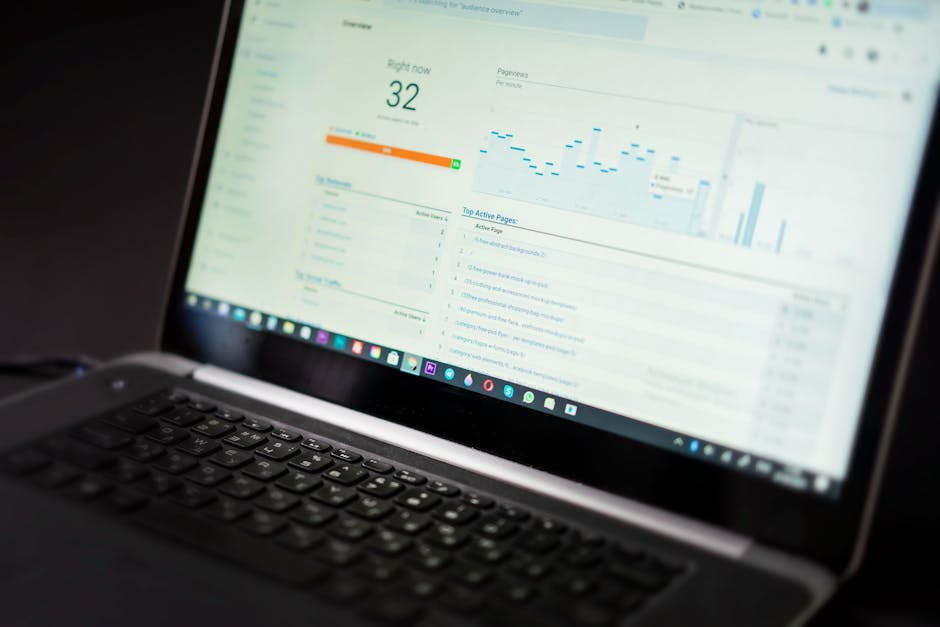
Here's the split that works.
Automate the Repetitive, Rule-Based Stuff
These tasks are predictable, and you want them done the same way every time:
- Generating XML sitemaps and pinging search engines when content updates
- Applying consistent title patterns (with manual overrides for key pages)
- Adding basic schema defaults for posts and pages
- Preventing accidental indexing of low-value pages (search results pages, certain archives)
- Image basics like alt text prompts and compression rules (keep it reasonable)
Automation here is a net win. It reduces human error.
Don't Automate Your Judgment Calls
These tasks need your brain, because they affect what your site becomes:
- Deciding the keyword focus of a page (and what it should rank for)
- Deciding whether a topic deserves its own page, or should be merged
- Writing the "point of view" that makes content worth ranking
- Internal linking strategy across a whole site (not just "add links randomly")
Some tools try to automate these anyway. You can use them as assistants, but you still need an editor.
The Non-Obvious Trade-Off: Automation Can Create Cannibalization
Here's a problem many people don't consider until it's too late. If you automate content at scale without a topic map, you can create keyword cannibalization (multiple pages fighting for the same query).
That can look like "we publish more, but rankings don't move." The pages compete, Google gets mixed signals, and none of them becomes the clear winner.
The fix isn't "publish less." It's "publish with boundaries." You need a simple rule like: one primary topic per page, one clear angle, and a plan for how new posts relate to older posts.
A Worked Example: Turning Plugins Plus Automation Into a Weekly System
Let's make this concrete.

Say you run a local service business site or a niche affiliate site. You want more traffic, but you can't spend hours every week inside WordPress.
Your goal is not "post more." Your goal is "publish consistently with fewer mistakes, and measure what's working."
Here's a weekly system that pairs wordpress SEO plugins with automation in a way that stays sane.
Step 1: Set Rules in Your SEO Plugin Once
You set defaults so every post starts in a good place:
- Title template that includes the topic and brand (but doesn't force a weird format)
- Meta description default, with a reminder to customize for important pages
- Canonical URL enabled
- Sitemap enabled
- Noindex rules for low-value archives, if they're not meant to rank
You do this once, then you mostly stop thinking about it.
Step 2: Pick a "Topic Lane" for the Week
You don't need a huge keyword spreadsheet to do this well. You just need to avoid random publishing.
A topic lane is a simple boundary, like:
- "Pricing and costs" content
- "Problem and solution" content
- "Comparison" content (A vs B)
- "How it works" content
Sticking to one lane per week prevents scattered content that never builds authority.
Step 3: Publish Consistently Using Automation, Not Guesswork
This is where most small teams fall apart. They write when they feel like it.
At SEO Sniper, the whole point of our service is removing that bottleneck. We generate automated SEO blog posts on a schedule so content gets published without you babysitting every draft.
If you want the set-and-forget version, this connects directly to what we built. You pick your plan based on how many sites you manage:
- $59 Basic: 1 website (URL), up to 1 automated SEO post per day
- $149 Standard: 3 websites (URLs), up to 3 automated SEO posts per day
- Pro: 10 websites (URLs), up to 10 automated SEO posts per day
If you're comparing approaches, start with Automated SEO Blog Post Service set-and-forget publishing so you understand what "automation" looks like when it's done as a system, not a one-off tool.
Step 4: Use Your Dashboard and Search Console to Decide What to Double Down On
Publishing is only half the system. The other half is feedback.
You want to know:
- Which posts are getting impressions (Google is testing them)
- Which posts are getting clicks (your snippet is working)
- Which topics keep showing up (your site is building relevance)
Google's own tool for this is Search Console. Google explains what it is and what it measures in their documentation: Google Search Console overview.
We also built an SEO dashboard inside SEO Sniper so you can see where you rank and what you perform best on, without stitching together ten reports.
For a practical view of how to use those signals, use Google Search Console automation for WordPress rankings.
Common Mistakes That Make Plugin-Driven SEO Worse (Not Better)
Plugins and automation can speed you up. They can also scale your mistakes.
These are the errors I see over and over.
Installing Too Many SEO Plugins
If two plugins both manage sitemaps, schema, or meta titles, you can get conflicts. Conflicts create weird indexing problems that don't show up until traffic drops.
Pick one primary SEO plugin. Then add only what you truly need.
Indexing Everything "Because More Pages Means More Traffic"
Not all pages deserve to be indexed. Some pages exist for users, not search results.
Examples of pages that often cause trouble if indexed:
- Internal search result pages
- Thin tag pages with no unique value
- Author archives on single-author sites
- Attachment pages created by WordPress media settings
A good plugin setup gives you noindex controls. Use them intentionally.
Auto-Generating Titles and Descriptions That All Sound the Same
Template titles are fine as defaults. The problem is letting every post ship with the same pattern forever.
If your search snippets look identical, you lose clicks even if you rank.
A practical rule:
- Manually write titles and meta descriptions for money pages and top-performing posts
- Use templates for the long tail content, but review the ones that start getting impressions
Publishing at Scale Without Internal Links
Automation that publishes content without internal linking can leave posts orphaned (no links pointing to them). Orphaned posts get crawled less, and they rarely become important.
You don't need a complex internal linking plan. You need consistent connecting tissue:
- Every new post links to one related older post
- Every older post links forward to one newer, more complete post when it makes sense
- Category pages should point to the best posts, not just list everything
This is one of those boring tasks that quietly moves the needle.
Ignoring Performance and Core Web Vitals
Some plugin stacks add scripts, database load, or heavy features you never use. Speed matters for users, and Google measures real-world page experience signals through Core Web Vitals. Google's documentation lays out what they are and how they're used: Google's Core Web Vitals guide.
I'm not saying you need to chase perfect scores. I am saying you should avoid turning your WordPress site into a slow machine because you installed every shiny SEO add-on.
The Practical "Do This Next" Plan (Fast, Not Overcomplicated)
If you want to transform your SEO strategy, you need a plan you will actually follow. Not a giant checklist you abandon.
Here's a clean path that works for most WordPress site owners.
- Pick one primary SEO plugin and configure the basics (titles, canonicals, sitemap, indexing rules).
- Decide your publishing cadence, weekly, daily, or somewhere in between.
- Build a simple topic map so new posts don't overlap older posts.
- Add automation where it removes manual labor, especially content production and recurring publishing.
- Review Search Console signals monthly and update the posts that Google is already testing.
If you want the content side to be the easy part, that's literally why I built SEO Sniper. You can set it up once, let it publish automated SEO posts on schedule, then use your dashboard to see what's working and where you rank.
The win isn't "more content." The win is consistent publishing plus clean SEO basics, with feedback loops that tell you what to do next.