Upwork Freelancer + Google Tasks: Streamline Your SEO Workflow Without Losing Control
You hired an upwork freelancer to "help with SEO," and suddenly you're managing 17 tiny moving parts. Keyword list in one place. Drafts in another. Revisions living in email threads. A publish date that was "next week" three weeks ago.
The fix isn't another complicated project tool. It's a lightweight system that keeps the work moving without you becoming a full-time traffic cop. Google Tasks is perfect for this because it's fast, it's already in your Google account, and it forces clarity: who does what, by when, and what "done" means.
Why Google Tasks Works Better Than Most SEO Project Management" Setups
Most SEO workflows fail for one boring reason: the work is split across too many tools, and nobody knows what the next action is.
Google Tasks solves that by being action-first. It's not trying to be a wiki, a chat app, and a timeline all at once. It's a list of next steps, due dates, and simple notes. That simplicity is the feature.
Here's what makes it a strong fit for working with freelancers on SEO:
- Low friction: your freelancer doesn't need onboarding to a new platform.
- Works inside Gmail and Google Calendar: tasks show up where you already live.
- Clear due dates: you get a calendar-level view of what should ship and when.
- Repeatable: you can copy a task template for every post, every page, every month.
This matters even more now because search has gotten more competitive and more automated. SEO work isn't just "write blog posts." It's also internal links, metadata, image alt text, schema basics, publishing checks, and refresh cycles. Small misses stack up.
A tight task system prevents that.
Set up Your SEO Control Center" in Google Tasks (Beginner Setup)
The goal is not to track every thought. The goal is to create one place where your freelancer can always see what matters next, and you can always see what's stuck.

Start with three lists in Google Tasks:
- Backlog (SEO): ideas and future work.
- This Week (SEO): the only tasks your freelancer should focus on right now.
- Waiting / Blocked: tasks paused because you owe something (login, approval, product info).
Now create one standard task format. Keep it consistent so you can scan fast.
Task naming formula:
- Deliverable + page/post + target keyword + due date
Example: "Draft blog post: 'Best CRM for roofers' (keyword: roofing CRM) due Fri"
Task description formula (copy/paste):
- Goal: (what this is supposed to achieve)
- Audience: (who it's for)
- Target keyword: (main term)
- Secondary topics: (2 to 5 related points)
- Required elements: (meta title, meta description, internal links, FAQ if needed)
- 'Done' checklist: (what you will check before approving)
You'll notice what's missing: long strategy docs.
Those are nice, but they don't move work forward. Your freelancer needs decisions and constraints, not a 12-page manifesto.
The "Done" Checklist That Stops Most Rework
If you don't define "done," you will pay for revisions. Not because your freelancer is bad, but because SEO has hidden requirements.
Here's a simple done checklist you can drop into every writing task:
- Draft is in Google Doc with edit access
- H1 matches the angle and includes the primary keyword naturally
- Clear intro that matches search intent (no fluff)
- At least 3 meaningful H2 sections
- Internal links included where relevant
- Images suggested (or placeholders noted)
- Meta title and meta description included
- Proofread, no obvious grammar issues
That's enough to prevent 80% of the "Can you fix this quickly?" messages.
A Worked Example: One SEO Blog Post, Tracked End-To-End in Google Tasks
Most people try to manage SEO like a vague ongoing effort. "Keep posting" is not a workflow. A workflow is a repeatable set of tasks that produces a finished page.
Here's a concrete example you can copy.
Let's say you want one blog post published next Tuesday. You're working with an upwork freelancer who writes, and you handle publishing.
Step 1: Create the Parent Task
Task: "Publish post: 'How to choose a wedding photographer package' due Tue 10am"
In the description, include:
- Target keyword: wedding photographer packages
- Internal link: services page
- CTA (call to action): book a consult
- Notes: keep it simple, practical, price factors, what to ask
Then add subtasks. Google Tasks supports subtasks, and this is where the magic happens.
Step 2: Add Subtasks That Match Real SEO Work
Use this sequence so each step feeds the next:
- Outline (H2s + key points) due Thu
- Draft v1 due Fri
- Add on-page SEO pass due Sun
- Revision from owner notes due Mon
- Final proof + meta title/description due Mon
- Owner publishes + checks formatting due Tue
Now you have a schedule and a handoff plan.
Step 3: Make the QA (Quality Check) Non-Optional
The biggest trap is approving drafts that "sound fine," but aren't built to rank.
So add one more subtask that you own:
- Owner QA checklist due Tue
Your QA checklist should be short. If it's long, you won't do it.
Here's a good owner QA checklist for a single post:
- Does the intro answer the search fast, or does it ramble?
- Are the H2s actually useful, or just generic headings?
- Does the post include specific examples, steps, or comparisons?
- Are there internal links to relevant pages?
- Does the conclusion tell the reader what to do next?
This is how you keep quality up without micromanaging.
Moving From "Random Tasks" to a Real SEO Workflow (Intermediate)
Once you have one post flowing smoothly, you can scale the same pattern across:
- New blog posts
- Updates to old posts (refreshes)
- Local SEO pages
- Product or service pages
- Link building outreach (if you do it)
The step most people miss is batching. If you create tasks one-by-one, you're always behind.
Instead, run your workflow in two weekly batches:
- Monday batch: assign work for next week (outlines, drafts).
- Thursday batch: assign finishing work (revisions, meta, QA).
That gives your freelancer enough runway, and it gives you predictable review time.
The Cleanest Division of Labor (so You Don't Pay for the Wrong Work)
Not all SEO tasks are equal. Some are safe to outsource. Some are risky.
Here's a simple decision framework I use.
Let your freelancer own these (usually safe):
- Outlines and first drafts
- Content updates based on your notes
- Meta title and meta description drafts
- Basic internal link suggestions (you approve)
- Image ideas and alt text drafts
You should own these (high leverage, high risk):
- Final topic selection tied to your business goals
- Final approval of claims and pricing language
- Publishing and formatting on your site
- Access management (logins, roles, permissions)
If you want to outsource more, do it slowly. Start with drafts, then expand.
The Task Template That Makes Scaling Easy
If you're doing 3 to 5 posts per week, you need a template. Copying and pasting is fine.
Create a "Task: Blog Post Template" in your Backlog list and duplicate it.
Include fields like:
- Topic and angle
- Search intent (what the reader is trying to do)
- Target keyword
- Internal links to include
- External sources allowed (if any)
- Brand notes (tone, offers, location)
- 'Done' checklist
This is where many businesses stop needing a heavy tool like Asana or ClickUp.
Google Tasks is enough because the template does the thinking.
The Traps That Make Freelancer SEO Slow (Advanced Fixes)
If you want speed, you have to remove friction. These are the issues that quietly kill momentum, even with a good upwork freelancer.
Trap 1: Vague Tasks Like "Work on SEO
That task can't be completed, so it never gets completed.
Replace it with a specific deliverable. "Draft 800 to 1,200 word post targeting X keyword" is trackable. "Work on SEO" is not.
Trap 2: No Single Source of Truth for Links and Pages
Freelancers waste time hunting for:
- Your service pages
- Your location pages
- Your offer details
- Your preferred CTAs
Create one task called "Business Reference Links" and pin it at the top of your list (or keep it as a recurring task).
In the notes, paste:
- Your website URL(s)
- 3 to 10 key pages to link to
- Your primary offer and CTA
- Any compliance notes (medical, legal, finance)
It's a simple move that saves hours.
Trap 3: Approval Bottlenecks
You can't speed up freelance production if approvals take a week.
Set a rule: you review drafts at the same time every week. Put that on your calendar. Google Tasks will sync deadlines into Google Calendar, so this becomes obvious.
If you know you're slow to review, change the workflow:
- Have the freelancer submit outlines first.
- Approve outlines fast.
- Then let them draft without waiting.
Outlines are quick to approve and prevent big rewrites.
Trap 4: Paying for SEO Content That Doesn't Match Your Ranking Plan
This is a big one. Businesses often hire a freelancer to "create content," but they don't have a plan for publishing frequency, internal linking, or refreshing older posts.
If you want a simpler path, automation can cover the consistent publishing side.
That's literally why I built SEO Sniper. I kept seeing small business owners drown in task management and agency pricing, even though what they really needed was consistent SEO output and simple visibility into what's working.
If you want to compare DIY outsourcing versus automation cost, start with cost of automated SEO blog posts and what you actually get for the money.
If you already know you want content consistency without the overhead, affordable SEO blog post automation plan options breaks down how to choose a plan without guessing.
Google Tasks vs Other Tools, and When to Switch
Google Tasks is not a full project management platform. That's why it works.
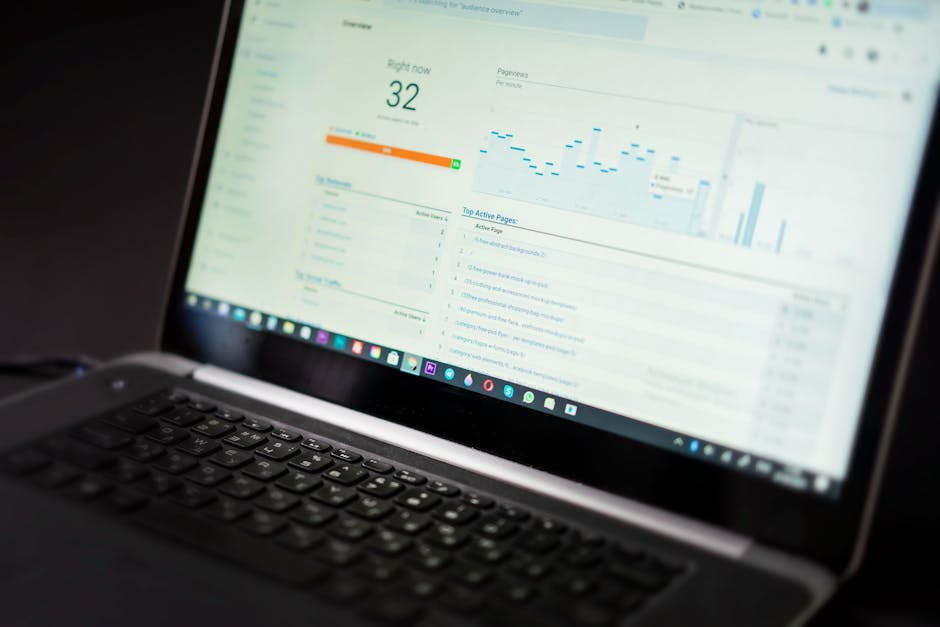
Still, you should know when it's time to move up.
Use Google Tasks if:
- You have 1 to 2 freelancers
- You ship 1 to 10 deliverables per week
- You want simple checklists and due dates
- You don't want to maintain a complex system
Consider upgrading to a bigger tool if:
- You have multiple stakeholders approving work
- You need file versioning and detailed comments in the same place
- You're managing dozens of projects with dependencies
Even then, don't confuse "more features" with "more output."
A simple workflow that ships beats a fancy workflow that sits.
Hiring an Upwork Freelancer for This Workflow (What to Ask and What to Avoid)
Google Tasks only works if the freelancer can execute consistently.
You don't need a unicorn. You need someone who follows instructions, hits deadlines, and communicates clearly.
Here's what I recommend asking during hiring:
- "Are you comfortable working from Google Tasks and Google Docs?"
- "Do you prefer submitting outlines before drafting?"
- "How do you handle revisions, and what do you consider 'done'?"
- "What info do you need from me before you can start?"
And here are red flags that create constant churn:
- They push back on basic checklists.
- They refuse to provide outlines.
- They can't explain how they structure a post for a specific search intent.
- They promise rankings. Nobody can promise that.
Also, protect your business.
Use proper access controls. If you give site access, use role-based permissions where possible and remove access when the project ends. Google has basic guidance on account security in its Google Account security resources.
FAQ Quick Answers People Ask Before They Start
How Do I Share Google Tasks with a Freelancer?
Google Tasks is designed around your Google account, and it isn't built for easy shared lists the way some project tools are. The simplest workaround is to keep the task list on your side and put the deliverables in shared Google Docs, then use email or a shared Google Sheet for visibility if needed.
If you want true shared task assignment, you may need a different tool, but many owners stick with Google Tasks because it keeps them focused and fast.
Should I Pay an Upwork Freelancer Hourly or Per Task?
Per task is usually easier for content workflows because "done" is defined. Hourly can work for research-heavy tasks, but only if you're clear about the output. Either way, your checklist and approval cadence matter more than the billing model.

What's the Fastest Way to Reduce Revisions?
Approve outlines before drafts, and include a 'done' checklist in every task. Most revisions come from misaligned expectations, not writing quality.
Can I Use This Workflow If I Publish Automated SEO Posts Instead?
Yes. The same checklist structure works for reviewing and publishing automated content. The tasks just shift from "write" to "review, publish, interlink, and refresh."
The Simple Next Step
If your SEO feels messy, don't start by hiring more people or buying a heavier tool. Start by making the work visible, repeatable, and deadline-driven.
Google Tasks plus a solid upwork freelancer can absolutely keep your SEO moving, as long as you define "done," batch your weekly assignments, and protect your approval time.
If you want to take even more load off your plate, SEO Sniper is built for the "set it and forget it" side of SEO, consistent posts and a dashboard that shows what's working. That's how you streamline without turning into a project manager.