SEO Website Growth on a Budget: Affordable Automated Blog Post Services for Wordpress Entrepreneurs
"Most WordPress sites don't fail because the design is ugly. They fail because they stop publishing." That's the hard truth I see over and over, especially with entrepreneurs who are busy running the business.
If you're trying to grow an SEO website and you keep losing the content game to time, cost, and inconsistency, affordable automated blog post services can be the difference between staying invisible and finally building momentum. The goal is simple: publish useful, search-focused posts consistently without paying agency pricing or spending your nights wrestling with drafts.
This guide is for WordPress entrepreneurs who want a clear decision, not vague advice. I'm going to break down what "affordable automation" actually means, what results you can realistically expect, where it can go wrong, and how to pick a setup that fits your business.
What "Affordable Automated" Actually Means for a Wordpress SEO Website
Affordable doesn't mean cheap content sprayed across your blog with zero thought. It means you're paying for consistency and speed, without the overhead that makes traditional content services expensive.
Automation also doesn't mean "set it and forget it forever." It means the heavy lifting is handled for you, topic selection, writing, optimization, and publishing, while you stay in control of what matters, your brand, your offers, and your website structure.
Here's the practical difference between the three common approaches WordPress entrepreneurs consider:
- DIY content (you write everything): Lowest cash cost, highest time cost. It usually breaks when your schedule gets tight.
- Agency or freelancer content: Higher cash cost, moderate time cost. It often breaks when the budget gets tight.
- Automated blog post service (done-for-you publishing): Lower cash cost than agencies, low time cost. It works best when you have a clear niche and you stick with it.
The main thing most people miss is this: content isn't just "blogging." For an SEO website, content is your inventory. Each post is another chance to show up for a search. When you publish rarely, Google has fewer doors to send people through.
What "affordable automated" should include, at a minimum:
- Publishing on a schedule you can keep for months
- Basic on-page SEO (titles, headings, clean formatting, internal linking opportunities)
- A system to track what's ranking and what isn't
- The ability to scale across more than one site if you have multiple projects
That last point matters more in 2026 than it did a few years ago. Entrepreneurs run a main business site, a local site, maybe a niche blog, maybe a product site. If you can't scale content without scaling your headaches, you don't really have a system.
At SEO Sniper, I built the service around exactly that reality: automated SEO optimized blog posts at a fraction of typical agency pricing, plus a dashboard that shows where you rank and what you're performing best on. Plans are simple, $59 for one site with up to one post per day, $149 for three sites with up to three posts per day, and a pro option for larger portfolios (10 sites, 10 posts per day).
That pricing structure isn't just "cheap." It's designed so you can publish enough to create real surface area for search without negotiating retainers or managing writers.
The Real Decision Framework: Choose Automation If You're Solving These Problems
I'm not going to pretend automation is the answer for every single WordPress business. It's a tool. The right tool depends on the problem you're actually trying to solve.

Use this framework to decide fast.
Choose an Automated Blog Post Service If...
You're dealing with any of these situations:
- You have a real business to run and content keeps slipping to "next week."
- Your WordPress site already converts (or could convert) if it got more qualified traffic.
- You've published before, but you weren't consistent long enough to see compounding results.
- You want to target a wide set of long-tail searches (specific searches with clear intent), and you need volume to do it.
- You manage multiple sites, or you plan to, and you need a repeatable process.
Automation shines when consistency is the bottleneck.
Stick with Manual (Diy or Human Writers) If...
Automation is not your first move if:
- You're in a heavily regulated niche (medical claims, legal advice, investment advice) where every line needs review.
- Your brand voice is the product (you sell based on your personal writing style and opinions).
- Your site has no clear offer yet, so traffic would have nowhere to go.
This is the part many entrepreneurs skip. Content without a destination is busywork. If your website doesn't have a clear service page, product page, or lead capture, fix that before you scale blog output.
The Hybrid Approach That Works for Most Entrepreneurs
Most WordPress entrepreneurs land in the middle. They automate the consistent baseline content, then add human-written "flagship" pieces when it matters.
A simple hybrid strategy looks like this:
- Automate steady publishing to cover long-tail topics and keep the site active.
- Manually create a few money pages (service pages, category pages, core landing pages).
- Occasionally write or commission a standout post that you really care about, like a comparison page or a deep guide.
This keeps your costs predictable and your growth steady, without giving up control of your most important messaging.
If you want a broader view of how this fits into a marketing engine, this pairs well with automated content creation for digital marketing strategy.
A Worked Example: How Automated Posts Turn Into Traffic and Leads
A lot of services promise "rankings." That's not the right promise. What you're really buying is output and coverage, the ability to target more searches than you could ever write for yourself.
Here's a concrete example that mirrors how WordPress entrepreneurs typically use an automated blog service.
Scenario: a Solo Wordpress Entrepreneur Selling a Service
Let's say you run a WordPress site for a niche service business. You have:
- A homepage
- One main service page
- A contact form
- A handful of old blog posts
Your problem isn't that you have no website. Your problem is that your SEO website doesn't have enough entry points.
So you decide to publish one automated post per day.
What happens next isn't magic, it's math.
- You build topical coverage
Instead of writing one "ultimate guide" and praying it ranks, you publish dozens of narrower posts that match real searches.
Examples of the types of posts that create coverage:
- "How much does X cost in [city]"
- "X vs Y for [specific situation]"
- "Best time to do X"
- "Mistakes to avoid when buying X"
- "Checklist for preparing for X"
Those are the searches people actually type when they're close to a decision.
- Some posts start ranking first, not all
This is where beginners get discouraged. They look at the first 10 posts and decide "SEO doesn't work." That's not how it works.
With consistent publishing, you're not betting on one post. You're building a portfolio. Some posts will land. Some won't. The winners show you what Google thinks your site is relevant for.
- You use the winners to guide the next month of content
Once you see what's performing best, you stop guessing.
This is why a ranking dashboard matters. If you can see what topics are moving up, you can double down.
In our system, the dashboard is there so you can watch what's climbing and what's flat, then adjust your focus. That's how you turn "automated content" into "automated momentum."
- Traffic becomes leads when your internal paths are clear
This is the part you control on WordPress.
Every post should have a natural next step. Not spammy. Not a pop-up on every scroll. Just a clear path.
Examples:
- A short section in the post that links to your service page
- A callout to a pricing page
- A simple lead magnet (like a checklist download) if your sales cycle is longer
If you don't do this, you can still get traffic, but you'll waste it.
The Non-Obvious Trade-Off: Volume Can Expose Weak Website Structure
More content can reveal problems you didn't notice when you published once a month.
If your categories are messy, your navigation is confusing, or your main service pages are thin, publishing daily can feel like you're "working harder" without a payoff.
That's not a content problem. That's a site structure problem.
Before you scale up, make sure:
- Your main offer is obvious in the menu
- Your service or product page is strong enough to convert
- Your blog posts can naturally link to something that makes you money
If you're trying to grow locally, that structure should include location intent. This is where local SEO services pricing for automated blog posts can help you think through what you should pay and what you should expect.
What to Look for in an Affordable Automated Blog Service (and What to Avoid)
Not all automation is equal. Some tools generate words. That's it. They don't help you build a real SEO website.
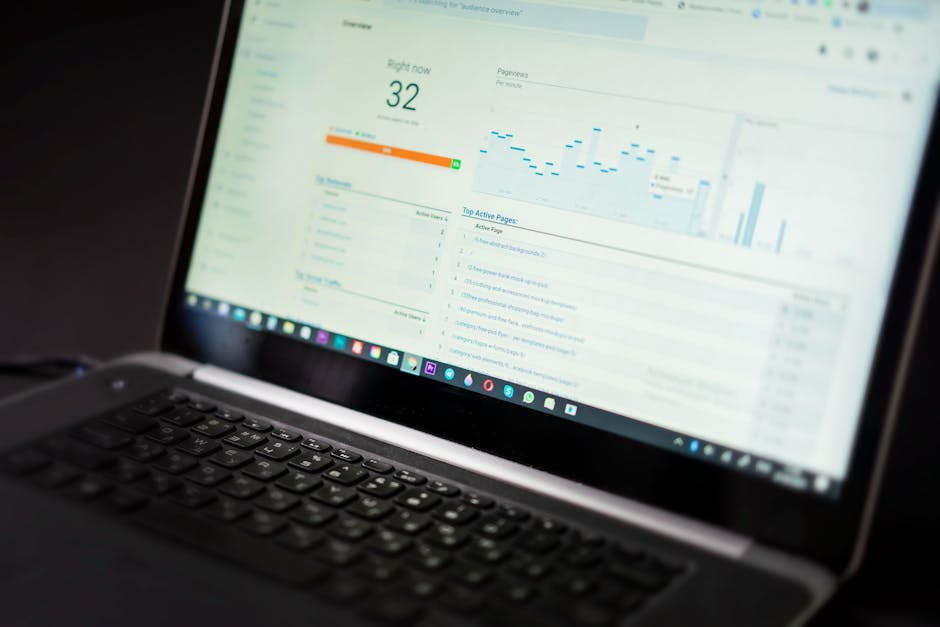
If you're comparing services, here's what I would use as the checklist.
1) Publishing and Workflow That Matches Wordpress Reality
WordPress entrepreneurs don't want another platform to babysit. The value is content that shows up on your site, consistently, without you managing a process.
Look for:
- Reliable publishing cadence (daily or several times per week)
- Posts formatted cleanly (headings, short paragraphs, scannable sections)
- The ability to manage more than one URL if you have multiple sites
Avoid:
- "We generate content, you copy and paste it." That's not automation, that's homework.
2) SEO Basics Done Right (Not Overdone)
Good on-page SEO is simple. It's about clarity.
Look for:
- Logical headings (H2s and H3s that match the topic)
- Natural keyword use (no stuffed phrasing)
- Helpful sections that answer follow-up questions
Avoid:
- Repetitive exact-match anchors
- Posts that feel like they were written for robots
If the writing reads like a template, Google sees that too.
3) a Feedback Loop: Rankings and Performance Visibility
If you can't see what's working, you can't improve.
A service should not only publish, it should help you make decisions.
Look for:
- A dashboard that shows ranking movement
- Clear signals of what topics perform best
- The ability to spot content that needs improvement
Avoid:
- "Trust us, it's working." You should be able to verify progress.
4) Control and Safety, Especially for Brand Risk
Automation should not put your brand at risk.
Look for:
- The ability to pause publishing
- The ability to exclude topics you never want
- Clear ownership (the content lives on your site)
Avoid:
- Black-box systems that won't tell you what they're publishing
- Services that publish aggressively without guardrails
5) Pricing That Scales Like a Real Business
This is where "affordable" becomes real.
If you're paying per post and you want volume, your bill will balloon fast. If you're paying a flat plan that scales with sites and daily output, you can actually plan.
At SEO Sniper, the plans are designed for entrepreneurs:
- $59 basic: 1 website (URL), up to 1 automated SEO post per day
- $149 standard: 3 websites (URLs), 3 automated SEO posts per day
- Pro: 10 websites (URLs), 10 automated SEO posts per day
That structure matters because it supports the one thing SEO rewards over time, consistency.
Timelines, Expectations, and the AI Search" Reality
Entrepreneurs want the honest answer on how long this takes. I'll give it to you straight.
Automation helps you publish. Publishing helps you build coverage. Coverage gives Google more chances to rank you. That's the chain.
But SEO is still a system where results stack over time, and the timeline depends on:
- How competitive your niche is
- How strong your domain is (history, backlinks, trust)
- How clear your site structure is
- Whether your content matches search intent (what the searcher actually wants)
If your WordPress site is brand new, expect a slower start. Google has to learn what your site is about. If your site already has some history, you may see movement sooner.
What You Should Track (Not Just "Rankings")
Rankings matter, but they're not the only signal.
Track:
- Indexed pages (are your posts being picked up by Google)
- Queries (what searches you're showing up for)
- Clicks (traffic that actually arrives)
- Conversions (contacts, purchases, booked calls)
Google provides these basics in Search Console, and it's worth getting familiar with. Here's Google's own documentation for Google Search Console.
The 2026 Reality: AI-Driven Search Rewards Clear, Specific Content
Search results are evolving, but one thing stays true. Clear, specific pages get cited, linked, and surfaced more than vague fluff.
That's why automation has to be paired with focus. If you publish random topics, you look random. If you publish around a tight niche, you build relevance.
A practical rule I like:
- If you can't explain your site in one sentence, your content plan will be scattered.
Get the one-sentence description right, then publish like you mean it.
Common Mistakes That Make Automation Underperform
Automation fails for predictable reasons. If you avoid these, you're already ahead.
- Posting without a content theme: You need clusters (groups of related posts), not chaos.
- No internal links to money pages: Traffic arrives, then leaves.
- Thin service pages: The blog ranks, but your offer looks weak.
- Changing direction every two weeks: SEO punishes impatience.
The fix is not complicated. Pick a lane. Publish consistently. Use what ranks to steer your next set of posts.
FAQ Affordable Automated SEO Blog Post Services for Wordpress
Can I Use an Automated Blog Post Service on Any Wordpress Theme?
Yes in most cases, because themes mainly affect design, not the ability to publish posts. The bigger issue is whether your theme makes posts easy to read (clean fonts, good spacing, mobile-friendly layout).

Should I Publish Daily, or Is That Too Much?
Daily publishing works well when your niche is clear and your site structure is solid. If your offer is still messy or you're still figuring out who you serve, slower publishing can be smarter until your positioning is locked in.
Will Automated Blog Posts Hurt My Rankings?
Bad content can hurt performance, whether it's automated or written by a human. The safer approach is consistent, helpful posts that match real searches, plus basic guardrails (topic focus, readable formatting, and a clear purpose for each post).
Do I Still Need SEO Tools If the Service Is Automated?
You don't need a pile of tools. You do need visibility into performance. At minimum, have Google Search Console set up, and make sure you can see which pages and queries are moving.
The Simple Way to Start Without Overthinking It
If you're a WordPress entrepreneur trying to grow an SEO website, the biggest advantage you can buy is consistency. Not hacks. Not trendy tactics. Just consistent, search-focused publishing that builds over time.
That's exactly why I built SEO Sniper. You get automated SEO optimized blog posts without agency pricing, plus a dashboard that shows where you rank and what you perform best on. Pick the plan that matches your portfolio, start publishing, and let the compounding work for you.
If you want the "set and forget" version of content production that still keeps you in control, SEO Sniper is built for that.