SEO Dashboard for Blog Ranking: Maximize Blog Visibility with Affordable Automated SEO Post Services
Google didn't just change "search" over the last year, it changed what people notice. More answers show up right on the results page, more summaries get pulled into AI features, and the winners are the sites that publish consistently and stay tightly matched to what people are searching.
That's why I built SEO Sniper around two things most small site owners can't do at the same time, every day: publish SEO-focused posts and track what's actually improving. You need output, and you need feedback. If you're shopping for affordable automated SEO post services, you're usually trying to solve one clear problem: your blog isn't showing up, and you don't have time to guess your way to visibility. An SEO dashboard for blog ranking closes that loop, so you can see what's working without living inside spreadsheets.
This article is a straight, practical breakdown of what "automated SEO posts" really means, what to expect (and what not to), how to choose a service without getting burned, and how to use ranking data to steer your content instead of publishing blind.
What "Affordable Automated SEO Post Services" Should Actually Do
A lot of services sell the idea of "content at scale," but scale alone doesn't equal visibility. If a system pumps out posts that don't target real search terms, don't match intent (what the searcher is trying to accomplish), or repeat the same thin topic ten different ways, Google has no reason to reward it.
The baseline job of an automated SEO post service is simple: publish helpful blog posts that align with searches your customers are already making, and do it consistently enough that your site earns more chances to rank.
Here's the practical checklist I use to judge whether automation is helping or hurting.
- Consistency without chaos. Publishing often helps, but only if topics are organized, not random.
- Search intent match. A post should clearly satisfy a specific "I want to..." query, not just talk around a topic.
- Coverage depth. One solid page that answers follow-up questions beats five thin pages that say the same thing.
- Basic on-page SEO. Clear title, clean headings, readable structure, and a focus keyword used naturally.
- Feedback loop. You need a way to see which posts are climbing and which are dead.
That last bullet is where most DIY efforts fall apart. People publish, wait, and hope. Hope is not a strategy.
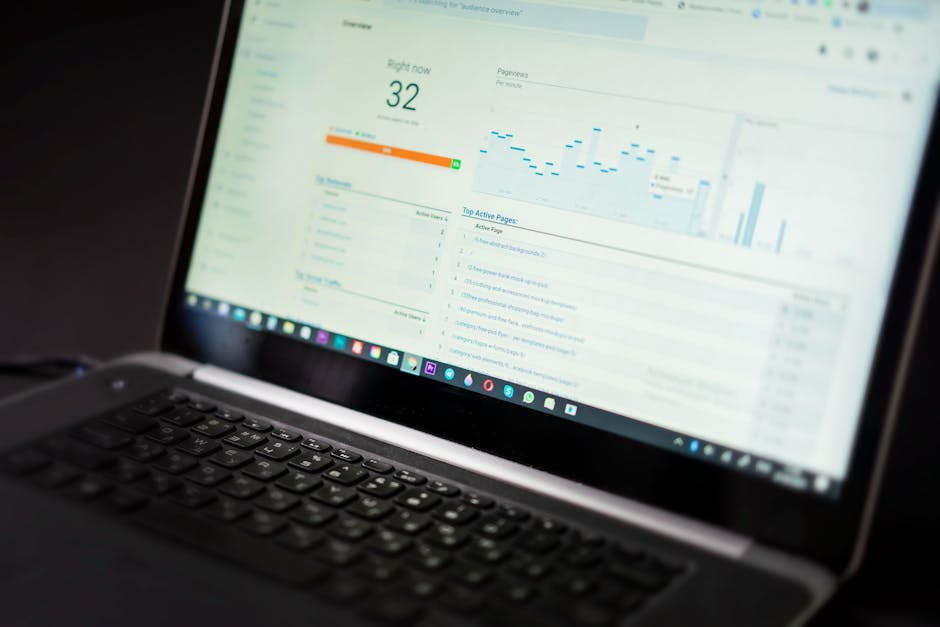
An SEO dashboard for blog ranking is what turns automation into a system. It gives you a view of improvement over time, not just "I posted 30 blogs this month." Posting is activity. Ranking movement is progress.
At SEO Sniper, the service is built around "set it and forget it" output plus a dashboard that shows where you rank and what you perform best on. That combo matters because it lets you do the thing most blog owners never do: keep the winners and cut the losers.
Why an SEO Dashboard for Blog Ranking Is the Difference Between Posting and Growing
If you can't see what's happening, you can't make good choices. You either keep publishing into a void, or you change everything too fast and never give Google time to respond.

A real SEO dashboard for blog ranking should answer a few core questions in plain language:
- Which pages are gaining impressions and clicks?
- Which keywords are you starting to show up for?
- Which posts are close to page one, and worth improving?
- Which topics clearly match your audience, based on performance?
There's also a timing issue that trips people up. SEO is not instant, and Google needs time to crawl (find), index (store), and evaluate new pages. Google explains indexing at a high level in its own docs, which is worth understanding so you don't panic after a week: Google Search Central: How indexing works.
The dashboard mindset shifts your goal from "publish more" to "publish, then steer." Steering usually looks like this:
- Spot pages that are moving up. If a post is climbing, it's a signal the topic is right.
- Improve what's already close. Small updates can push a page from "almost" to "top spots."
- Double down on winning themes. If three posts about a service type perform well, create more around that cluster.
- Stop wasting posts on topics that won't convert. Ranking for the wrong traffic is still a loss.
This is also where a lot of cheap content services get people into trouble. They measure success by word count and volume. A dashboard measures success by outcomes.
If you want a second view for validation, pairing your dashboard with Search Console is smart, because it's Google's own performance reporting. If you need a walkthrough mindset on that side, I'd reference our guide on using Google Search Console for SEO and WordPress rankings.
Bottom line: automation gets you consistency, the dashboard gets you control.
Worked Example: Choosing Topics and Using Ranking Data to Make the Next 30 Posts Smarter
Most people overcomplicate this. You don't need a "content universe." You need a repeatable cycle.
Here's a concrete example using a made-up business type, but the process is the same whether you run a local service, an online store, or a niche affiliate site.
Scenario: a Local HVAC Company That Wants More Service Calls
Let's say you want more leads for:
- AC repair
- Furnace replacement
- Seasonal maintenance
If you publish 30 random HVAC posts, you'll get random results. If you publish 30 posts as a connected set, you get compounding value.
A simple 30-post plan that automation can execute looks like this:
- Core service pages (high intent). Posts that match "I need help now" searches.
- Problem and symptom posts (mid intent). Posts that match "what's wrong" searches.
- Cost and decision posts (high intent). Posts that match "how much" and "is it worth it" searches.
- Seasonal posts (timely intent). Posts that spike during weather changes.
Then you use performance data to choose what to write next.
How the Dashboard Changes What You Publish Next
Assume after a few weeks you see this pattern in your SEO dashboard for blog ranking:
- Posts about "AC blowing warm air" are getting impressions and starting to rank.
- Posts about "best thermostat settings" get views but don't lead to service calls.
- A post about "furnace replacement cost" is sitting just outside the top results.
Here's what a smart next batch looks like:
- Expand the winner: publish related posts like "AC frozen coils," "AC short cycling," and "AC not turning on." These tend to be tightly related searches.
- Fix the near-winner: update the "furnace replacement cost" post with clearer sections, stronger local relevance, and a better explanation of what changes price.
- Deprioritize the low-converter: stop spending daily posts on thermostat content if your goal is calls, not views.
The non-obvious part is the third point. A lot of blog owners treat traffic as the goal. For most businesses, qualified traffic is the goal. If you're paying for automated content, you want posts that pull people toward revenue, not just visitors.
This is why we built the dashboard view into the experience. It's not just "more posts," it's "more posts in the directions that are proving themselves."
DIY vs Agency vs Automated: a Decision Framework That Saves Money (and Time)
Most people searching this topic aren't asking, "Is SEO good?" They're trying to decide how to execute without wasting months.
Here's the framework I'd use if I were in your shoes.
Choose DIY If You Have Time and You're Willing to Learn
DIY can work if you can do two things consistently: write and measure.
DIY is a fit if:
- You can publish at least 2 to 4 strong posts per week.
- You're comfortable using tools like Search Console.
- You can stay organized and keep a content plan.
DIY breaks down when posting stops. Most blogs don't fail because the owner is incapable. They fail because the owner is busy.
Choose a Traditional Agency If You Need High-Touch Strategy and Custom Everything
Agencies can be a fit for larger budgets and complex setups.
An agency is a fit if:
- You want a lot of meetings and custom planning.
- You need heavy technical SEO plus content plus link work.
- Your business can afford higher monthly retainers.
The trade-off is cost, and often speed. Agencies usually publish slower, and "one post per week" is common.
Choose Affordable Automated SEO Post Services If You Need Consistent Output with Clear Tracking
Automation is the fit for owners who need momentum and don't want content to become a second job.
Automated SEO post services are a fit if:
- You want steady publishing without managing writers.
- You want a system you can leave running.
- You still want visibility into performance, not blind posting.
At SEO Sniper, that's the lane. I'm not trying to sell you a complicated engagement. I'm trying to help you publish daily SEO content at a price most businesses can handle.
Our plans are simple:
- Basic: $59, 1 website (URL), up to 1 automated SEO post per day
- Standard: $149, 3 websites (URLs), 3 automated SEO posts per day
- Pro: for entrepreneurs and marketers with portfolios, 10 websites (URLs), 10 automated SEO posts per day
If you want the clean breakdown, we keep it here: Automated SEO blog post service pricing and plan details.
The point of spelling that out isn't just pricing. It's capacity planning. If you have one site and you want steady growth, basic is often enough. If you're running multiple sites or locations, standard or pro stops you from rationing content.
Common Mistakes That Keep Automated Blog Posts From Ranking
Automation can save you, but it can also amplify the wrong move. If you publish daily and the strategy is off, you just get to "not ranking" faster.
These are the mistakes we see most often, and they're fixable.
Mistake 1: Publishing Without Topic Clusters
Topic clusters are just groups of related posts that support each other. If your blog jumps between unrelated topics, Google has a harder time understanding what you're an authority on.
A simple way to avoid this is to pick 3 to 5 core themes and rotate inside them.
Mistake 2: Chasing Big Keywords Too Early
Newer or smaller sites usually don't win the biggest terms right away. They win specific, clear searches first.
Think "how to fix X," "X cost," "best X for Y," and "X vs Y." Those phrases often convert better anyway.
Mistake 3: Writing for "Traffic" Instead of the Customer
A post can rank and still be useless for your business. If the searcher isn't a buyer, you're funding a content hobby.
Every post should map to one of these outcomes:
- It brings a buyer closer to choosing you.
- It answers a pre-sale question that blocks action.
- It supports a service page by proving expertise.
Mistake 4: Forgetting the Update Cycle
Ranking posts rarely stay perfect forever. Competitors publish. Search intent shifts. Google changes how it displays results.
This is where the dashboard saves you again. You can identify posts that slipped and refresh them instead of starting from scratch.
Mistake 5: Expecting Instant Results and Switching Strategies Too Fast
If you change direction every two weeks, you erase the learning. Let the data accumulate, then make moves based on trend, not mood.
If you're trying to set expectations: SEO is a long game, and consistent publishing is one of the few levers small businesses can pull without paying enterprise costs.
What to Look for Before You Pay for an Automated SEO Post Service
Not all services are built the same, and "cheap" can mean "no accountability." You want affordable, not disposable.

Use this short checklist before you commit.
1) Proof of Control: Can You See Performance?
If there's no reporting, you're buying blind. At minimum you want visibility into ranking movement and what content performs best.
This is exactly why we include an SEO dashboard for blog ranking as part of the experience. Output without insight is just noise.
2) Publishing Cadence: Does It Match Your Goal?
A local business site might do great with 1 post per day.
A portfolio owner running multiple sites needs higher throughput, or each site gets starved.
Pick a plan based on your number of URLs and the pace you want to maintain, not based on vague "more is better" promises.
3) Topic Fit: Will Posts Align with Your Actual Offers?
If you're a service business, you want posts tied to the services you sell.
If you're an ecommerce store, you want posts that support categories and product decisions.
If you're an affiliate site, you want comparison and buyer-guide content.
Automation should match the business model. Otherwise, you publish a lot and still don't grow.
4) Risk Management: Does the Service Avoid Thin, Duplicative Content?
Google has been clear that it rewards helpful content, not mass-produced pages that exist only to rank. The safest approach is content that is specific, structured, and written to satisfy the search.
If you're evaluating any vendor, ask how they avoid repeating the same article ten different ways.
FAQ
How Long Does It Take for Automated SEO Blog Posts to Improve Visibility?
It depends on your site, competition, and how consistent you publish, but it's normal for SEO gains to take time. Google has to crawl and index new pages first, and then the pages need signals that they're useful. Watching trendlines in your dashboard is the right way to judge progress.
Do I Still Need Google Search Console If I Have an SEO Dashboard?
Search Console is still useful because it's Google's own reporting tool for impressions, clicks, and queries. A dashboard helps you see ranking and performance patterns at a glance. Using both gives you clearer confirmation.
Is 1 Post Per Day Enough to Make a Difference?
For many small businesses, yes, because consistency compounds. One strong post per day builds a steady library of entry points into your site. The key is staying focused on topics that match what you sell and then using performance data to steer the next posts.
What Plan Should I Choose at SEO Sniper?
Basic is built for one site that needs daily publishing without agency pricing. Standard fits owners managing a few sites. Pro is for entrepreneurs and marketers with larger portfolios who want higher volume across many URLs. If you want the plain breakdown, review our pricing guide linked above.
The Simple Way to Maximize Blog Visibility Without Paying Agency Prices
Blog visibility usually isn't a mystery, it's a consistency problem plus a feedback problem. Most owners can't publish often enough, and they can't tell what's working when they do.
Affordable automated SEO post services solve the consistency side, but the winners also solve the feedback side. That's why I focus so hard on combining daily automated posts with an SEO dashboard for blog ranking. You don't just publish, you publish and steer.
If you want to stop guessing and start building momentum, check out SEO Sniper and pick the plan that matches your number of sites and how fast you want to grow.