SEO Dashboard for Blog Performance Tracking: Unlocking Affordable Automated SEO Blog Post Services for Growth
Your blog isn't failing because you "need better SEO." It's failing because consistency is expensive, and most people can't afford to publish often enough to find what actually works.
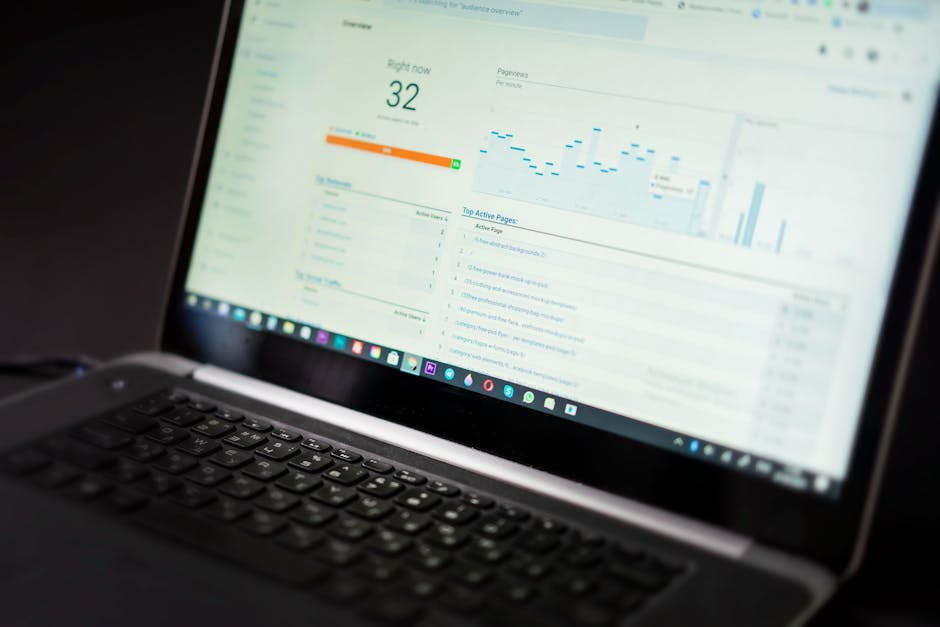
That's why I'm blunt about this: if you want growth without burning time or money, you need two things working together, automated publishing and an SEO dashboard for blog performance tracking. One produces the content. The other tells you what to do more of (and what to stop doing).
I built SEO Sniper for the owner who's tired of paying agency prices just to get a couple posts a month, and still guessing if any of it matters. We deliver automated SEO-optimized blog posts every day, and we pair it with a dashboard that shows where you rank and what you perform best on. It's a set-and-forget system that still gives you control.
The Real Problem: Content Costs, Then Guesswork Kills Momentum
Most businesses hit the same wall.
First, the content wall. You write a few posts, you get busy, then the blog sits for weeks. Search engines don't reward "bursts." They reward sites that keep showing up with useful pages.
Then comes the second wall, and it's worse. You publish content, but you don't know what's moving rankings. So you either quit too early or you keep paying for topics that never had a chance.
This is where a service can look "affordable" on paper and still waste your money.
- If you can't publish consistently, you won't collect enough data to learn what your market responds to.
- If you publish but don't track outcomes, you'll keep repeating the wrong patterns.
That is why automation matters, but automation alone isn't the win. The win is a repeatable loop: publish, measure, adjust, then publish more of what works.
What "Affordable Automated SEO Blog Post Services" Should Actually Include
A lot of services call themselves automated. Some are just templates. Some are bulk content with no plan. Some publish, then disappear.

If you're buying automated SEO blog post services for growth, here's what you should expect at a minimum.
1) Real Publishing Capacity, Not "a Few Posts"
Growth comes from volume plus relevance over time. If you only post occasionally, you're still placing tiny bets.
At SEO Sniper, the plans are straightforward because owners need simple math:
- Basic: $59, 1 website (URL), up to 1 automated SEO post per day
- Standard: $149, 3 websites (URLs), 3 automated SEO posts per day
- Pro: for larger portfolios, 10 websites (URLs), 10 automated SEO posts per day
That daily cadence matters because it creates momentum. It also creates enough output that you can spot patterns in weeks, not "sometime this year."
2) Posts That Are Built to Rank, Not Just Fill a Blog
"SEO-optimized" should mean the topic targets a real search intent (what the searcher is trying to do) and the page is structured to answer it clearly.
You don't need fluff. You need pages that cover a specific problem, give a clear solution, and earn trust.
3) a Feedback System: an SEO Dashboard for Blog Performance Tracking
If you can't see what's happening, you don't have a strategy. You have hope.
A dashboard should let you answer basic questions without spreadsheets:
- Which pages are bringing impressions and clicks?
- Which keywords are improving and which are stuck?
- Which topics are winning so you can publish more in that lane?
That's the difference between "posting content" and running a machine.
4) a Sane Workflow You Can Keep up With
Most owners don't fail because they're lazy. They fail because the process is heavy.
Affordable automation wins because it lowers the effort to near-zero while still letting you steer. You should be able to glance at results, pick directions, and move on.
If you want to compare how automated publishing changes the day-to-day workload, this pairs well with Automated Blog Post Services for Websites and how automation changes your strategy.
A Simple Decision Framework: Choose a If You Want Control, Choose B If You Want Leverage
People get stuck choosing between DIY blogging, hiring a freelancer, or paying an agency. Here's the simplest way I know to decide.
Option a: DIY Blogging (Highest Control, Lowest Consistency)
Choose this if:
- You enjoy writing and can publish every week without fail.
- You already know your niche topics and can outline fast.
- You're fine learning SEO basics and updating old posts.
The trade-off: you're the bottleneck. When you get busy, the blog stops.
Option B: Freelancers (Medium Control, Medium Consistency)
Choose this if:
- You can review briefs and edits every week.
- You can manage writers and keep them on-topic.
- You have budget for steady output.
The trade-off: freelancers vary. Turnover happens. And content calendars break when life hits.
Option C: Agencies (Highest Service, Highest Cost)
Choose this if:
- You want strategy calls, hand-holding, and full execution.
- You're okay paying for a lot of time you won't directly see.
The trade-off: cost. Many small businesses end up with a small number of posts because agencies price per post.
Option D: Affordable Automated SEO Blog Post Services (Highest Leverage Per Dollar)
Choose this if:
- You want consistent publishing without managing writers.
- You want to test many topics quickly.
- You want a dashboard view so you can steer based on results.
The trade-off: you still need to pay attention to what's working. Automation removes the grind, not the need to make good decisions.
My point of view is simple. If you're a small business, the fastest way to learn what ranks is to publish more, track it, then double down on winners. Automation plus tracking is how you get there without agency pricing.
Worked Example: Turning "More Posts" Into Measurable Growth Using a Dashboard
Let's make this real without pretending every site is identical.

Say you run a service business in one city. You have a homepage, a services page, and a couple old blog posts. You've never had a consistent content schedule.
You start publishing one post per day. Not because more is always better, but because volume helps you find traction faster.
Here's what a smart first month can look like if you actually use an SEO dashboard for blog performance tracking instead of guessing.
Week 1: Publish Broadly, but Stay Inside Your Business
You publish posts in four buckets:
- Problem posts (symptoms, issues, "why is this happening")
- Comparison posts (option A vs option B)
- Local-intent posts (service + city + "cost" or "near me" style intent)
- Process posts (what to expect, timelines, steps)
You're not trying to be clever. You're trying to create enough coverage that search engines can understand what you do.
Week 2: Watch Early Signals, Not "Rankings"
Most people obsess over position too early.
Early on, you're watching for:
- Pages getting impressions (Google is testing your content)
- Queries that match buyer intent (people close to hiring)
- Topics that pull clicks even from lower positions
This is where dashboards matter. You're looking for signs of life, not perfection.
Week 3: Consolidate Around Winners
Now you take what the data is hinting at and build clusters (a cluster is a group of related posts that support one main service topic).
Example logic:
- If "cost" posts get impressions, you write more cost-related posts.
- If "how long does it take" queries show up, you write timeline posts.
- If one service line gets more traction, you publish deeper content there.
You're doing less guessing and more responding.
Week 4: Fix the Common Leak, Internal Linking
Here's the non-obvious part most people miss.
Even good blog posts can fail if they don't push readers and search engines toward your money pages (your service pages).
So you check whether your posts:
- Link to your main service page naturally
- Mention the service in plain language
- Use consistent wording for the service (not 10 different names)
You don't need a complicated system. You need a repeatable habit.
That's how publishing volume turns into business results, not just "more pages."
Common Mistakes That Make "Affordable" Content Expensive
Affordable SEO content becomes expensive when it costs you months of time and still doesn't move.
These are the mistakes I see most often, and they're fixable.
Publishing Random Topics That Don't Match Buyer Intent
Traffic is nice. Buyers are nicer.
If your blog is full of broad informational posts that never lead to a service, you're building a library, not a pipeline.
A simple filter helps. If the searcher can't reasonably become a customer within 30 to 60 days, the topic is probably not a priority.
Chasing Volume with No Quality Bar
Automation doesn't mean "publish anything." You still need pages that answer the query clearly.
If a post doesn't:
- Solve the problem in plain language
- Show real trade-offs
- Explain next steps
Then it's a page that can't earn trust.
Ignoring Older Posts That Are Almost Working
One of the best uses of performance tracking is spotting near-wins.
If a post is sitting just outside the top results, small improvements can push it over the edge. That's often cheaper than writing brand new content forever.
Measuring the Wrong Thing
Vanity metrics distract fast.
Here's what I care about for blog SEO:
- Impressions growing over time for target topics
- Clicks improving for pages that match your services
- Rankings improving for terms tied to revenue
If you only measure "sessions" (total visits) you can fool yourself with the wrong kind of traffic.
What to Expect for Timing, Results, and Budget (Without Fake Promises)
I'm not going to sell you a fantasy timeline, because SEO is not a light switch.
Google has to crawl your site, process new pages, and test where you belong. That takes time, and it varies by niche, competition, and how established your domain is.
The part you can control is your consistency and your feedback loop.
- If you publish regularly, you create more opportunities to rank.
- If you track performance, you get smarter every month.
- If you double down on what works, you stop wasting effort.
Budget-wise, the math is simple. You pick a plan based on how many websites you manage and how fast you want to publish.
If pricing is your main decision point, it helps to look at Automated SEO blog post service pricing and how to plan your output so you can match posting frequency to your goals.
How I'd Use an SEO Dashboard to Steer Content in 15 Minutes a Week
This is the operating system I recommend for owners who don't want another job.
- Check which pages gained positions this week.
- Note the topics and keyword themes tied to those pages.
- Publish more posts in those themes, including supporting subtopics.
- Identify one or two pages with impressions but low clicks, then improve the title and opening.
- Spot any page that's close to the top results, then add depth and better internal links.
That's it. Not daily tinkering. Not a giant spreadsheet. Just a short weekly rhythm that compounds.
In our dashboard, the goal is simple: show you where you rank, and highlight what you perform best on so you can lean into it.
A Quick Reality Check Before You Buy Any Service
Automated SEO blog posts work best when the rest of the site isn't fighting them.
Before you invest heavily, make sure:
- Your website is crawlable (no broken navigation, no blocked pages)
- Your main services are clearly described
- You have a way for visitors to contact you (forms, phone, booking)
If those basics aren't in place, the blog can still help, but you'll convert less of the traffic you earn.
Also, if your business operates in a regulated space (health, legal, financial), you need tighter review. In those niches, you want content that stays conservative and avoids claims that require professional advice.
The Bottom Line: Growth Comes From Consistency Plus Proof
If you want to grow with SEO, you need a system that keeps publishing even when you're busy, and you need a system that tells you what's working.
That's why I'm bullish on affordable automation paired with an SEO dashboard. You get output without agency costs, and you get visibility without guessing.
If you're ready to stop treating your blog like a side project, SEO Sniper is built for exactly that. Set it up, publish daily, watch the dashboard, and keep moving toward what the market is already telling you it wants.