SEO Dashboard Features for Content Automation: What to Track, What to Ignore, and How to Scale
You don't have a content problem. You have a visibility problem.
I see the same pattern over and over. A business starts automating content, posts go out like clockwork, and then the owner checks Google two weeks later and sees... nothing. No movement. No clarity. No idea what to fix next. That's exactly where SEO dashboard features for content automation stop being "nice to have" and become the difference between scaling and wasting months.
Here's the real goal of an SEO dashboard: it should tell you what to do next, without you guessing. Not ten charts that look impressive, but a few signals that connect your automated publishing to rankings, clicks, and pages that actually convert.
The Only Two Outcomes Your Dashboard Must Drive
Content automation is simple. You publish more, faster, and with less effort.
The dashboard is the control panel. It should push you toward one of two outcomes.
First outcome: find winners and publish more around them.
Second outcome: spot dead ends early and stop feeding them.
If your dashboard can't help you make those two calls, it's just noise.
This is why I'm opinionated about what belongs in a dashboard. I run an automated SEO service, and I'm not trying to impress you with data. I'm trying to get you ranking with a set-and-forget posting engine, then prove what's working with clear reporting.
A quick mental model helps here.
- Content automation creates volume.
- SEO performance creates direction.
- Your dashboard connects the two.
Direction is the part most people miss. They automate, but they don't steer.
The "Must-Have" SEO Dashboard Features for Content Automation
If you're automating posts daily, you need dashboard features that work at scale. Manual SEO workflows break fast once you're publishing at speed.

These are the core SEO dashboard features for content automation that matter most.
1) Indexing and Crawl Visibility (so You Know Google Is Even Seeing You)
Before rankings, before clicks, there's a basic gate: Google has to find and index (store) your pages.
A good dashboard should show you, at minimum:
- Which new URLs were published recently
- Whether those URLs are indexed
- Which ones are excluded (and the reason when available)
- Crawl errors that block access (like server errors or broken pages)
If you don't track this, you can publish 30 posts and accidentally build 30 pages Google ignores.
Practical caveat: indexing is not instant. New sites and low-authority sites can take longer. The dashboard should help you notice patterns like "most posts index, but category X doesn't." That's usually a clue about thin content, duplication, internal linking, or technical blocks.
If you're tying this into Google Search Console (Google's free search performance tool), you'll also want to understand what "excluded" means. Google documents common reasons in Search Console coverage and indexing information.
2) Keyword and Page-Level Ranking Trends (Not Just a Single Position)
Rank trackers that show one number are misleading. Real performance is trend-based.
The dashboard should show:
- Ranking movement over time for each target page
- The query (search term) that is driving impressions for that page
- Position ranges (top 3, top 10, top 20) so you can act by bucket
Here's why this matters for automation.
Automation produces a lot of pages. Some will land on page two quickly (positions 11 to 20). Those are your easiest wins, because they often need only a few improvements, like better internal linking or tighter on-page targeting.
If your dashboard can highlight "near winners," you get leverage. You don't need to rewrite everything. You just push the pages that are already close.
3) Search Impressions, Clicks, and Click-Through Rate by Page
Traffic is not the first signal you should watch. Impressions are.
Impressions tell you Google is testing you. Clicks tell you users are choosing you.
A dashboard should break this down per page and over time:
- Impressions (visibility)
- Clicks (traffic)
- Click-through rate (CTR, the percent of impressions that become clicks)
If a page has impressions but low CTR, the page title and meta description are usually the first fix.
If a page has low impressions, it's usually a targeting problem (topic doesn't match demand) or a competition problem (you need stronger topical coverage and authority).
This is also where content automation gets a bad reputation. People blame "automation," but the real issue is that they never watch the early visibility signals. They wait for traffic, then panic.
4) "Top Performers" and "Best Opportunities" Views
Your dashboard should not just report. It should prioritize.
At scale, you need two ranked lists:
- Top performers (what to expand)
- Best opportunities (what to fix)
Here's what I consider "best opportunities" for automated content:
- Pages ranking 8 to 20 (close enough to push)
- Pages with high impressions and low CTR (title and snippet improvement)
- Pages that rank for unexpected queries (spin up supporting posts)
This is where an SEO dashboard earns its keep. It turns hundreds of posts into a short weekly action list.
5) Content Output Tracking (so Automation Doesn't Drift)
If you're posting daily, you need a simple output view:
- Posts published per day, week, month
- Which site (URL) they were published on
- Which categories or topics are being covered
This sounds basic, but it prevents a common automation failure.
Automation can drift into "random publishing" if you don't keep topics aligned with your money pages (the pages that sell your service or product). Output tracking keeps your content engine aimed at your business goals.
The Features People Ask for That Usually Don't Help (Until Later)
I'm going to save you time. A lot of dashboards push features that look advanced, but don't help most businesses using automated posting.
These aren't useless forever, but they're not where I'd put your attention first.
Backlink Charts (Useful, but Not Your First Daily Lever)
Backlinks (links from other sites) matter, but daily content automation doesn't control them directly.
If your dashboard is all backlinks and domain metrics, you'll stare at the numbers and still have no idea what to do with your content next week.
I'd rather you focus on:
- indexing
- impressions
- pages close to top 10
- internal linking opportunities
Then, once you've built enough topical coverage, you can add a link strategy.
SEO Score" Numbers
Any single "SEO score" is a blunt tool.
It can be fine for a quick checklist, but it's often disconnected from real search results. A page can score 95 and still rank nowhere. Another page can score 70 and print leads.
If your dashboard leads with a score, make sure it also ties improvements to outcomes like impressions, ranking movement, and clicks.
Heatmaps and Session Recordings (Better for Conversion, Not Early SEO
Tools that show user behavior on the page can be great once you have traffic.
If you're still building visibility, they often become a distraction. You'll watch recordings of 20 visitors and miss the bigger issue, Google hasn't indexed half your pages or you're targeting terms no one searches.
A Simple Decision Framework: Choose Dashboard Features Based on Your Stage
Most people buy dashboards the wrong way. They buy the one with the most features.

I look at it differently. The right SEO dashboard features depend on what stage your site is in.
Stage 1: "Get Seen" (New or Low-Visibility Sites)
Your dashboard should be obsessed with:
- Indexing status
- Crawl errors
- Impressions per page
- Queries per page (what Google thinks you're about)
If you're automating content, your goal here is coverage and discovery.
Choose features that answer: "Is Google finding and understanding my new content?"
Stage 2: "Get Into the Top 10" (Some Visibility, Not Consistent)
Now the dashboard should focus on:
- Ranking trends for pages sitting 8 to 20
- Internal link suggestions (at least manually, via reports)
- CTR by page for high-impression URLs
Choose features that answer: "Which pages are close enough to push this month?"
Stage 3: "Scale Winners" (Top 10 Exists, You Want More)
Now you need:
- Best-performing topics and clusters (groups of related posts)
- Conversion-aware reporting (which posts assist leads)
- Content gap views (what competitors cover that you don't)
Choose features that answer: "What should my automation publish more of, and what should it stop publishing?"
This framework keeps you from buying a dashboard that solves a problem you don't have yet.
Worked Example: How I'd Use a Dashboard to Steer 30 Days of Automated Posts
Here's a concrete way to use a dashboard without turning your week into an SEO job.
Let's say you run three sites, or one site with multiple service lines, and you're using automation to publish daily.
Week 1 to 2, your dashboard review is mostly about making sure the machine is running.
You check:
- New posts published: 14
- Indexed: 9
- Not indexed: 5
Now you drill into the 5 excluded pages.
Common patterns we see:
- the pages are too similar to each other
- they're missing internal links (they're orphaned pages)
- the title is too generic, so Google doesn't know the angle
You fix one thing that scales: internal links.
You pick 3 older pages that already get impressions and add contextual links to the new posts. You also add links from the new posts back to your main service page.
Week 3, you stop obsessing over indexing and start steering toward rankings.
Your dashboard shows:
- 6 pages with rankings between 11 and 18
- 2 pages with strong impressions but low CTR
Now you have an action list that makes sense.
- For the 6 pages near page one, you publish supporting posts that answer narrower subtopics.
- For the 2 pages with low CTR, you rewrite titles and meta descriptions to be more specific.
Week 4, you look for "surprise queries."
This is one of the highest leverage moves in automated SEO.
Sometimes a post you wrote for Topic A starts ranking for Topic B, a related term you didn't plan for. Your dashboard should reveal that.
When you see it, you do two things:
- Publish 3 to 5 more posts that support Topic B
- Add internal links between them, so Google sees a clear cluster
That's how automation becomes compounding growth instead of random posting.
It's not magic. It's volume plus steering.
What This Looks Like Inside SEO Sniper (and How to Pick a Plan)
I built SEO Sniper for people who want content automation without paying an agency bill.
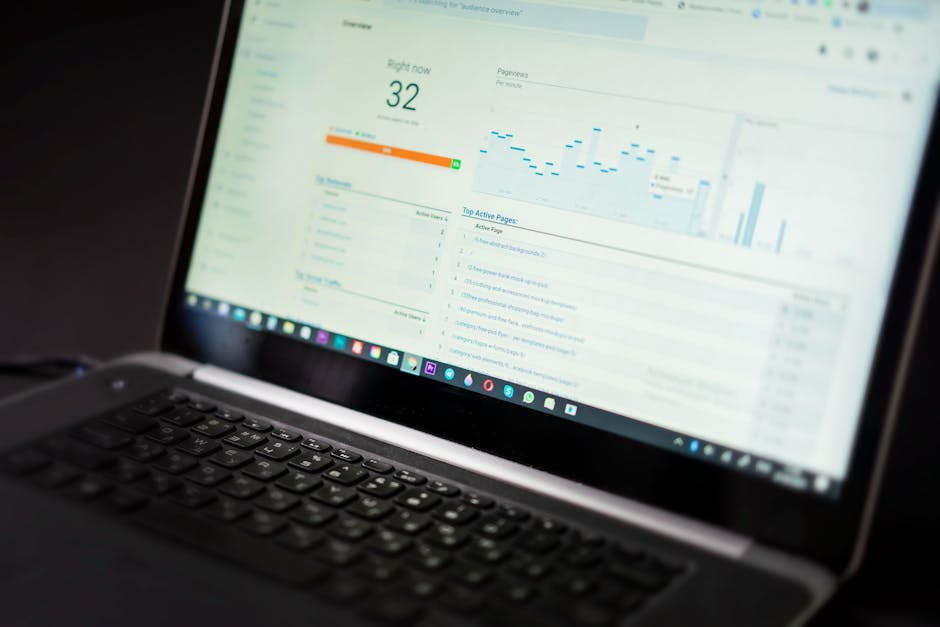
The "set and forget" part is the daily automated SEO posts. The "don't guess" part is the SEO dashboard that shows where you rank and what you perform best on.
If you're choosing a plan, don't overthink it. Match it to how many sites you're trying to grow and how much content velocity (publishing speed) you want.
- Basic ($59): 1 website (URL), up to 1 automated SEO post per day
- Standard ($149): 3 websites (URLs), 3 automated SEO posts per day
- Pro: 10 websites (URLs), 10 automated SEO posts per day
If you want a deeper breakdown of what these price points usually replace (and what agencies tend to charge for similar output), this guide helps: Automated blog post pricing comparison with real-world costs.
If you're still deciding based on goals and posting frequency, this is the cleanest overview: Automated SEO blog post pricing plans for different goals.
The main point is simple.
If you publish more than you can track, you lose control.
If you track the right signals, you can scale content automation aggressively and still stay focused on what ranks.
A Weekly Dashboard Routine That Doesn't Eat Your Life
Most small business owners don't need daily SEO check-ins. They need a short weekly rhythm.
Here's the routine I recommend if you're using content automation.
- Confirm new posts are indexed (spot-check, don't spiral)
- Review pages with rising impressions (these are gaining trust)
- Identify pages ranking 11 to 20 (your easiest pushes)
- Fix CTR on high-impression pages (titles and snippets)
- Pick next week's content themes based on winners, not guesses
That last step is where most people fail.
They keep publishing based on what feels right, instead of what the dashboard proves is working.
If you want automation to pay off, let your dashboard choose your next batch of topics.
FAQ
How Long Does It Take to See Results From Automated SEO Content?
It depends on your site's starting point, your competition, and whether Google is indexing and testing your pages. In our experience, the first meaningful signal usually shows up as impressions and ranking movement before you see consistent clicks.
Do I Need a Separate Rank Tracker If I Have a Dashboard?
Not always. If your dashboard shows query-level performance, ranking trends over time, and page-level winners and opportunities, you can often skip extra tools. If you're managing many clients or markets, a dedicated tracker can still help.
What's the Biggest Mistake People Make with Content Automation?
They publish fast but don't build feedback loops. They never check indexing, never notice near-page-one pages, and never double down on what starts working. Automation without steering turns into a content landfill.
Should I Focus on Traffic or Rankings First?
Focus on indexing and impressions first, then rankings buckets (top 20 and top 10), then clicks. Traffic is the payoff, but it's not the earliest signal that your automation is working.
If you're serious about scaling, don't buy more content first. Build the right dashboard view first, then let content automation run hard with clear direction.