SEO Dashboard Features for Blog Ranking: Maximize Results with Affordable Automated Content
Google doesn't reward "more content" anymore, it rewards content that performs, and most bloggers have no idea what's working until months later.
That's the real reason people get stuck. They publish posts, hope for rankings, and only check traffic when it feels bad. The fastest way out is pairing affordable automation with SEO dashboard features for blog ranking, so every post is tracked, compared, and improved without you babysitting it.
This article is a straight comparison. Manual blogging versus automated content. "Pretty" dashboards versus useful dashboards. Cheap content versus affordable content that actually compounds.
Manual Blogging vs Automated Content: What Actually Changes Rankings
Manual blogging is not "wrong." It's just slow, inconsistent, and expensive once you need volume. The moment you want to rank for more than a handful of topics, content becomes a system problem, not a writing problem.
Here's the clean comparison I use when someone asks what they should do.
Choose Manual Content If You Need Maximum Control
Manual content is the right call if your blog posts must be tightly reviewed by a subject expert, or if your brand voice needs heavy human polish.
It's also a fit if you're publishing rarely and each post is meant to be a flagship piece. Think product launches, core thought leadership, or posts where one mistake could cause real damage.
Manual writing tends to win on nuance, originality, and "this sounds like me."
Choose Automated Content If You Need Consistency and Coverage
Automation wins when your bottleneck is output. Most businesses don't need one perfect post per month. They need steady publishing across many topics that customers actually search.
Automated content also wins when you want to build a library that supports your money pages over time, and you're tired of doing content roulette.
This is the part people miss: rankings often come from coverage plus internal linking plus time. If you can't publish consistently, you can't compound.
The Non-Obvious Trade-Off: Feedback Loops
The biggest difference between manual and automated isn't the writing method, it's the feedback loop.
Manual content teams often publish, then wait. If a post doesn't rank, they move on. Automation paired with tracking changes the behavior, because you can see which topics move, which pages stall, and what your site is "good at" right now.
That feedback loop is where dashboards matter.
SEO Dashboard Features for Blog Ranking: the Ones That Pay for Themselves
Most "SEO dashboards" are just charts. They look impressive, but they don't tell you what to do next. I care about SEO dashboard features for blog ranking that shorten the time between publishing and knowing what's working.
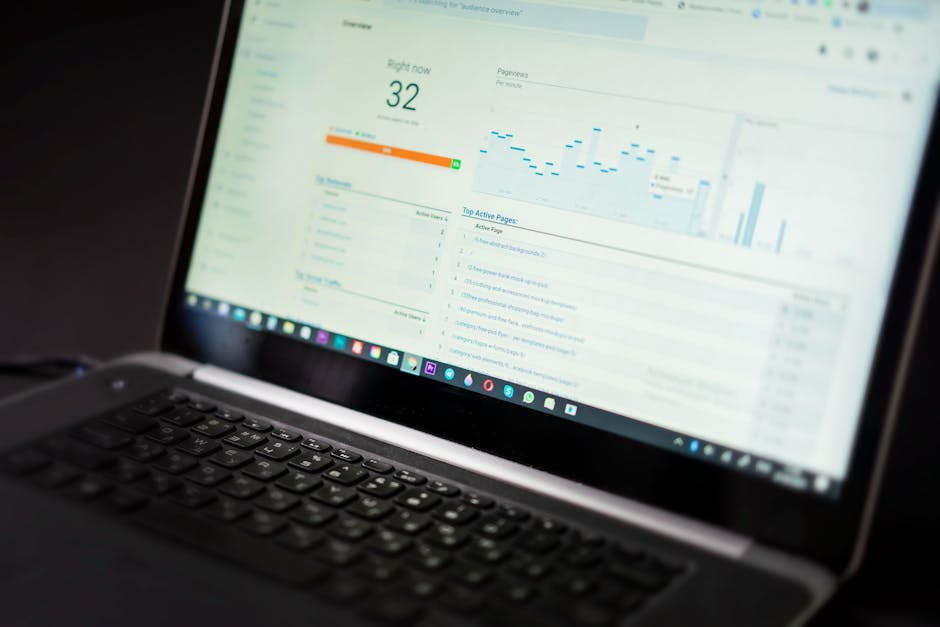
If you're evaluating any automated content solution (including ours), these are the features that actually change outcomes.
1) Keyword and Page-Level Rank Tracking That's Easy to Read
You need to see which pages are moving up, which are sliding, and which never got traction.
Rank tracking is only useful if you can tie it back to actions. For example, "this post is stuck at position 18" is actionable because you can improve it, support it with internal links, or publish a companion post.
If rank tracking is buried in exports and filters, it won't get used.
2) "What You Perform Best on" (Topic Winners)
This is one of the highest leverage views in a dashboard: what your site already wins at.
In our experience, sites don't rank evenly across everything. They tend to have pockets of strength. When you find those pockets, the fastest path to more rankings is publishing adjacent topics.
A dashboard that shows your best-performing themes lets you stop guessing and start stacking wins.
3) Content Cadence Tracking (Did We Actually Publish?)
Most ranking problems are consistency problems.
If you don't track publishing pace, you'll swear you're "creating content" while your blog goes quiet for weeks. A simple view that confirms output (by day, week, and site) keeps you honest.
Automation is "set and forget" only if you can verify it's happening.
4) Per-Site Views for Multi-Website Owners
If you manage more than one site, you already know the pain. You end up with a messy spreadsheet, random logins, and no unified view.
A good dashboard separates performance by URL (website) so you can see which site is growing and which one needs help.
This matters a lot if you're an entrepreneur, marketer, or someone with a portfolio.
5) Clear "Next Best Move" Signals
Not every dashboard will explicitly tell you what to do, but it should make the next move obvious.
You want to spot patterns like:
- Posts that are close to page one (positions 11 to 20) and worth improving
- Topics where you rank quickly, meaning you should publish more around them
- Sites that publish consistently but don't move, meaning the topic selection is off
Dashboards don't replace strategy, but the right features make strategy easier.
If you want to go deeper on the automation side, this pairs well with how to automate blog content for entrepreneurs.
Affordable vs Cheap: a Practical Way to Judge Automated Content
People search for "affordable automated content" and end up buying the cheapest thing, then wonder why nothing changes.
Affordable means the cost makes sense for the result you can realistically get. Cheap means you pay less, but you also lose the parts that create compounding growth.
Here's the decision framework I use.
Affordable Automated Content Usually Includes
- Consistent publishing (because consistency is the whole point)
- SEO-focused structure so posts aren't random essays
- Enough output per month to cover multiple topics
- A dashboard that helps you judge performance and stay focused
If one of those is missing, you're not buying an "SEO engine." You're buying words.
Cheap Content Usually Fails in One of Three Ways
- It's inconsistent, so you never build momentum.
- It's off-topic, so you publish a lot but rank for nothing.
- You can't track performance, so you can't improve the system.
That third one is the silent killer. If you don't have visibility, you can't make smart decisions. You just keep spending.
What "Affordable" Looks Like in Real Life (Without Guessing)
At SEO Sniper, I built this to be simple and predictable.
- $59 basic: 1 website (URL), up to 1 automated SEO post per day
- $149 standard: 3 websites (URLs), 3 automated SEO posts per day
- Pro edition: 10 websites (URLs), 10 automated SEO posts per day
The point is not to impress you with big agency language. The point is to give you enough output to matter, plus a robust SEO dashboard that shows where you rank and what you perform best on.
If you want a clean side-by-side breakdown, use pricing plans comparison for automated SEO blog posts.
A Worked Example: Scaling Rankings Across One Site vs Three Sites
Most people underestimate how different the math becomes when you stop thinking "one post" and start thinking "one system."

Here's a concrete example using the way business owners actually operate.
Scenario a: One Website, Service Business, One Core Offer
Let's say you run a local service business with one main offer and a handful of related services.
Your goal is simple: build topical coverage so Google understands your site is relevant across the whole category.
With up to 1 automated SEO post per day, you can build a steady content layer that targets:
- Service variants (same offer, different use cases)
- "Problem" searches (what customers search before they buy)
- Comparison searches (solution A vs solution B)
- Supporting topics that let you internally link to your key pages
Now the dashboard work matters. You watch which posts start ranking first, then you double down on that cluster.
If the dashboard shows that "repair + symptom" posts are hitting page two quickly, you publish more symptom-focused posts. If "best option" posts are stuck, you either improve them or shift to topics your site is more ready to rank for.
That is how you stop wasting months.
Scenario B: Three Websites, Agency or Multi-Brand Owner
Now imagine you manage three different sites, or three different niches.
The biggest risk here is spreading yourself too thin. You publish randomly across all three and none of them gets enough coverage to win.
This is where per-site dashboard views and cadence tracking are not "nice to have." They protect you from self-sabotage.
A practical approach looks like this:
- Site 1: publish daily until you see a few ranking patterns
- Site 2: publish daily, but only around one tight theme at first
- Site 3: publish daily, then cut topics that don't show early movement
You don't need to "pick the perfect keyword" on day one. You need fast feedback.
Automation gives you the output. The dashboard gives you the feedback loop.
The Part People Don't Consider: Opportunity Cost
If you're running a business, the real cost of DIY blogging is not the writing time. It's the weeks where nothing gets published because the urgent stuff takes over.
Automation is valuable because it keeps the publishing engine running while you run the business.
How Long It Takes to See Movement (and What to Watch First)
I'm not going to promise overnight rankings. Anyone who does is selling you a fantasy.
What I will tell you is what we look for first, because it's how you avoid panic and random changes.
Early Signals That You're on the Right Track
Before you see big traffic, you usually see small signs:
- New pages start getting indexed (Google starts listing them)
- Rankings appear, even if they're low at first
- A handful of posts move faster than the rest
Indexing is a real, checkable concept. Google explains how indexing works in Google Search Central documentation on crawling and indexing.
What to Do with "Fast Movers" vs "Slow Movers"
This is where people waste time.
If a post moves faster than others, it's not luck. It's a signal that your site has an easier path in that topic area.
If a post is stuck, it may need:
- A better match to search intent (what the searcher actually wants)
- Stronger internal links from related posts
- A clearer page structure so Google can understand it
The dashboard makes this visible. Without it, you're guessing.
Common Mistakes That Kill Affordable Automation
Automation fails when people do one of these:
- Publishing too broadly, too soon, across unrelated topics
- Switching strategies every two weeks because they expect instant results
- Ignoring the dashboard, then blaming the content
Affordable automated content works best when you let it run, watch what's ranking, then publish more around the winners.
Picking the Right Setup: a Quick Decision Framework
Here's the simplest way to choose your approach without overthinking it.

If You Have One Site and Want Steady Growth
Start with a single-URL plan and publish consistently.
Use the dashboard to identify the first two or three topic clusters that show traction, then focus your next month of publishing around them.
This is boring, and boring is good. Consistency beats intensity.
If You Manage Multiple Sites and Need Scale
Choose a plan that matches your number of URLs and the publishing pace you can sustain.
Your goal is not to make all sites "average." Your goal is to find which site has the easiest ranking path right now, then feed it content until it becomes the winner.
If You're a Marketer or Entrepreneur with a Portfolio
Pro-level automation makes sense when you want a machine that just keeps producing.
You still need to steer the ship, but you don't need to row it.
If this is your situation, you'll also like how entrepreneurs save time and money with automated SEO posts.
Call to Action: Stop Publishing Blind
If you're serious about maximizing blog rankings, you need two things working together: consistent automated content and SEO dashboard features for blog ranking that show what's actually happening.
That's why I built SEO Sniper. It's affordable, it's set-and-forget, and it still gives you visibility through a dashboard that shows where you rank and what you perform best on.
If you want to scale content without the agency price tag, pick a plan that matches your number of websites and start publishing daily. Then let the dashboard tell you what to double down on.