SEO Dashboard Features for Automated Content: Affordable Plans and Pricing That Make Sense
Your blog is "running" but you can't tell if it's working.
You see posts going live. You see a few impressions in Search Console. But when someone asks, "Are we ranking for anything that matters?", you don't have a clean answer. That's exactly why people look for SEO dashboard features for automated content, they want proof, not vibes.
I built SEO Sniper for that reality. Automated SEO posts are only half the job. The other half is knowing what's moving (and what's not) without living inside spreadsheets. This guide walks you through the dashboard features that actually help, how to judge pricing plans, and how to pick a setup that fits your business.
Step 1: Get Clear on the One Job Your Dashboard Must Do
A dashboard isn't there to impress you. It's there to help you make a decision.
If you're using automated content, the decision usually falls into one of these buckets:
- Keep publishing on the same site and topic set because you're gaining traction.
- Change the content direction because you're writing into a wall.
- Upgrade your cadence or add more sites because the system is working.
- Stop wasting time on pages that will never rank.
If your dashboard can't support those decisions, it's just a status screen.
Here's the simple rule I use: your dashboard should answer "what's winning" and "what to do next" in under 60 seconds.
That means you need clear, searchable views of performance, not a dozen charts that all say the same thing.
Step 2: Know the SEO Dashboard Features for Automated Content That Actually Matter
Most dashboards over-focus on vanity metrics. Automated content needs the opposite. You need signals that tell you whether Google is understanding your site, indexing your pages, and rewarding the topics you're publishing.

These are the SEO dashboard features for automated content I consider "must-have" because they tie directly to action.
Rankings and Movement (Not Just a Snapshot)
A single rank number doesn't help much. What you need is movement over time.
Look for views that make it obvious:
- Which keywords improved in the last 7 to 30 days
- Which pages are gaining positions (or sliding)
- Where you're stuck on page 2 (often the easiest wins)
In our dashboard, the point is fast pattern recognition. If three posts in the same category climb together, that's a signal to publish more in that lane.
"What You Perform Best on" (Topic Winners)
This feature sounds simple, but it's the difference between growing and guessing.
Automated posting works best when you compound what's already working. A dashboard should show you the themes, keywords, or page types that consistently outperform.
This is how you avoid the common trap: publishing more content, but spreading it across unrelated topics so nothing builds authority.
Content Output Tracking (so You Can Connect Cause and Effect)
If you publish daily, you need a clean way to see what went live and when.
Why it matters: SEO has a delay. If your dashboard can line up "posting cadence" with "ranking movement," you can tell whether your frequency is enough, or whether your topical focus is the real issue.
A lot of people quit too early because they can't see the timeline clearly.
Indexing and Coverage Signals (the Quiet Dealbreaker)
This one is not flashy, but it saves months.
If pages aren't getting indexed (added to Google), you can publish forever and still go nowhere. Your dashboard should make it easy to notice patterns like:
- New posts not showing up in search after a reasonable window
- Whole sections of the site underperforming
- Pages getting impressions but no clicks, which points to title and intent mismatch
You can use Google's own tools for deeper checks, like Google Search Console, but your dashboard should surface enough to tell you where to look.
Page-Level Performance (so You Can Fix the Right Thing)
Automated content isn't magic. Some posts will need light tuning.
The dashboard should help you isolate the specific pages that deserve attention:
- Pages with impressions but low click-through (titles and meta descriptions)
- Pages ranking 11 to 20 (often need clearer on-page focus)
- Pages ranking 4 to 10 (need a push to crack the top 3)
If you can't quickly find these buckets, you end up "optimizing" random pages and calling it strategy.
If you want a deeper breakdown of what matters in dashboards specifically for automated blogging, I've already laid it out in SEO dashboard features that matter for automated blogging.
Step 3: Use a Simple Decision Framework to Choose the Right Pricing Plan
Pricing should be tied to capacity. Not feelings.
At SEO Sniper, the plans are straightforward because the workload is straightforward: how many sites you want to grow, and how many automated SEO posts you want going out each day.
Here's the decision framework I'd use if I were picking a plan for my own projects.
Choose Basic ($59) If You Have One Site and You Want Consistency
Basic includes 1 website (URL) and up to 1 automated SEO post per day.
Pick this if:
- You have one main site (local business, single brand, single niche)
- You want "set and forget" publishing without building a content team
- You're okay with steady growth instead of aggressive scaling
This is the cleanest starting point for most small businesses because it forces focus. Focus usually wins.
Choose Standard ($149) If You're Running Multiple Sites or Multiple Offers
Standard includes 3 websites (URLs) and 3 automated SEO posts per day.
Pick this if:
- You have a primary site plus supporting sites (or separate brands)
- You want to test content angles faster
- You have multiple service lines and you want enough output to cover them
Standard is where the dashboard becomes even more valuable. With multiple sites, it's easy to lose track of what's working where.
Choose Pro If You're Building a Portfolio and Need Scale
Pro includes 10 websites (URLs) and 10 automated SEO posts per day.
Pick this if:
- You're an entrepreneur or marketer managing many properties
- You're building and ranking multiple niche sites
- You need a high publishing cadence across several domains
This plan is built for people who treat SEO like an asset class. They don't want one site to grow, they want a system that grows a portfolio.
If you want the full plan breakdown in one place, including what "set and forget" really means in practice, see automated blog post writing service pricing explained.
Step 4: Walk Through a Realistic Worked Example (so You Don't Overpay or Underbuy)
Let's make this concrete with a scenario I see all the time.
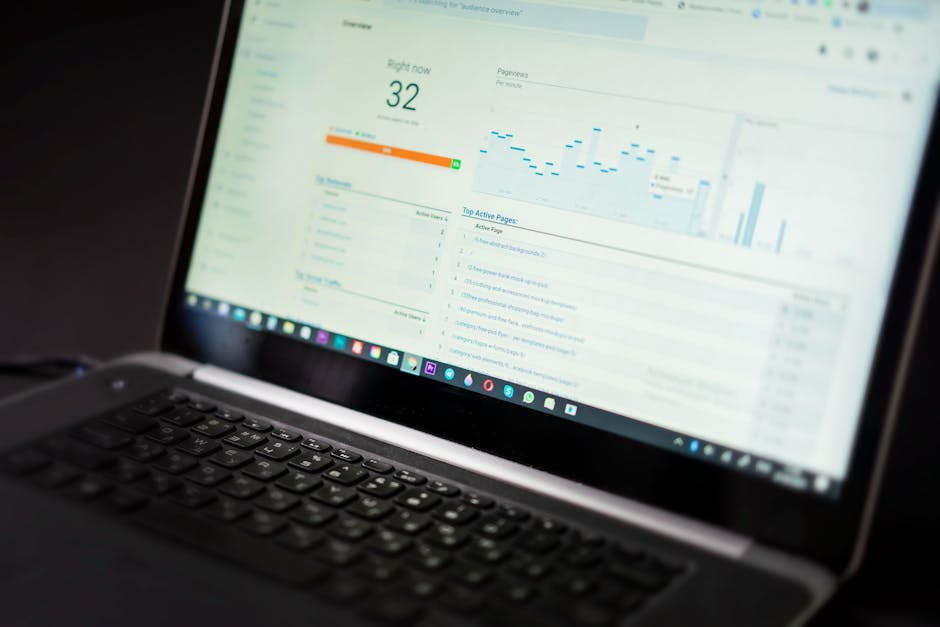
You're running a small service business site. You also have a second site for a related offer, or maybe a new brand you're testing. You're debating whether daily posting is worth it, and you want a dashboard that makes performance obvious.
Here's how I'd map that decision using the dashboard as the "referee."
Scenario a: One Website, One Clear Offer
You choose Basic.
Your plan is simple: publish 1 post per day for 60 to 90 days while watching for early traction.
What you look at in the dashboard each week:
- Which pages are getting impressions first (Google testing your relevance)
- Which keywords are starting to move from "not ranking" into visible positions
- Which topic clusters (groups of related posts) show the most consistent lift
The non-obvious part: early impressions matter more than early clicks. Clicks come later once you rank higher. If you only judge progress by sales in the first month, you'll miss the signal that the engine is warming up.
Scenario B: Two to Three Websites, Testing What Sticks
You choose Standard.
Now the dashboard job changes. It's not just "is SEO working," it's "where is SEO working best."
Your weekly dashboard routine becomes:
- Identify the top-performing site by ranking movement.
- Identify the top-performing topic on that site.
- Shift the next week's content focus toward that winning lane.
This is how automated content becomes a feedback loop, not a firehose.
Scenario C: Portfolio Growth, Many Sites, Many Niches
You choose Pro.
At this level, the trap isn't "not posting enough." The trap is spreading effort across too many directions and never pushing winners hard enough.
The dashboard keeps you honest by showing:
- Which sites are compounding (multiple pages rising together)
- Which sites are flat (content goes out but nothing moves)
- Which niches produce faster ranking gains (useful for prioritizing build time)
What you do with that insight is the whole game. You don't keep output equal across all sites. You double down where the dashboard shows momentum.
Step 5: Avoid These Common Dashboard and Automation Mistakes
Most SEO disappointments aren't caused by bad tools. They're caused by people tracking the wrong thing, or changing direction too often.
Here are the big mistakes I see, and how to avoid them.
Mistake 1: Treating "More Posts" as the Only Strategy
Posting is necessary, but it's not the only lever.
If your dashboard shows a site gaining impressions but no meaningful ranking movement, you may need tighter topical focus. That means fewer categories, not more.
Automation should increase consistency, not chaos.
Mistake 2: Obsessing Over One Keyword
A single trophy keyword is a nice idea, but it's not how most businesses win.
The dashboard should help you spot "clusters" of related terms. If you see multiple posts around the same service or problem rising together, that's a stronger signal than one page bouncing up and down.
Mistake 3: Ignoring Pages That Are Close to Page One
Most people either stare at #1 rankings or give up.
Your easiest wins often live in positions 11 to 20. A dashboard that highlights these pages can turn SEO from a long wait into a series of small, predictable improvements.
Mistake 4: Comparing Yourself to Big Brands Instead of Your Baseline
A huge competitor has years of content, links, and brand searches.
The better comparison is you versus you. Your dashboard should show trendlines and momentum. If your baseline is improving month over month, you're building something real.
For a broader view of how automation fits into a real SEO strategy, pair this with SEO optimization with automated blog posts and ranking checkers.
Step 6: What "Affordable" Should Actually Mean in Automated SEO
A lot of services call themselves affordable, then bill you per post, per keyword, per revision, and per add-on. That's not affordable, that's confusing.

Affordable should mean three things:
- You can keep it running long enough for SEO to pay off
- You can see what's happening without hiring an analyst
- You can scale up only when the dashboard proves it's worth it
That's why I'm direct about pricing at SEO Sniper. Basic is $59, Standard is $149, and Pro is for larger portfolios with 10 sites and 10 posts per day. The point is to remove the "agency math" and make it easy to pick a plan that matches your actual footprint.
If you're deciding between DIY, freelancers, agencies, and automation, here's my practical take. DIY can work if you have time and process. Freelancers can work if you manage them tightly. Agencies can work if you can afford long retainers and slow cycles. Automation is the simplest path if you want consistent output, clear reporting, and a predictable monthly cost.
Step 7: a Quick Checklist for Evaluating Any SEO Dashboard Before You Pay
Even if you don't choose us, use this checklist before you commit to any automated content platform.
You want a dashboard that makes these things easy to see without exporting anything:
- Ranking movement over time (not just current rank)
- Pages and topics that perform best
- A way to connect content output to results
- Clear page-level views so you know what to improve
- Enough separation between sites if you manage more than one
If the dashboard looks pretty but you can't answer "what should I do next," it's not a dashboard, it's a screenshot machine.
FAQ
How Long Does It Take to See Results From Automated SEO Posts?
It depends on your site, your niche, and your starting point. In general, SEO tends to move slower than paid ads. That's why I tell people to watch early signals like impressions and ranking movement, not just leads in week one.
Do I Still Need Google Search Console If I Have a Dashboard?
Yes. A good dashboard should simplify your day-to-day view, but Search Console is still the source for important diagnostics like indexing and coverage. Google provides details on what it does here: Google Search Console documentation.
What Plan Should I Start with If I'm Not Sure?
If you have one website, start with Basic. If you have multiple sites or you want to test faster, start with Standard. If you already manage a portfolio and you know you need scale, Pro is the fit.
If you want me to be blunt, most people fail because they buy too much too early, then quit when they don't maintain it.
The Fastest Way to Stop Guessing
If you're serious about growing with SEO, you need two things running at the same time, consistent publishing and clear visibility into what's working.
That's exactly what SEO Sniper is built for, automated SEO posts at a price you can keep, plus a dashboard that shows where you rank and what you perform best on.
Pick the plan that matches your number of sites and your needed posting pace, then let the dashboard tell you where to double down.