SEO Dashboard for Tracking Blog Performance: Affordable Automated SEO Blog Post Packages for Every Budget
"Most small businesses don't have a traffic problem. They have a consistency problem." That's the hard truth I see over and over. You publish a few posts, life gets busy, the blog goes quiet, and Google stops getting fresh signals from your site.
That's why affordable automated SEO blog post packages exist, and why pairing them with an SEO dashboard for tracking blog performance is the difference between "we're posting" and "this is working." If you're trying to stay visible without paying agency prices, you don't need perfection. You need a simple system that ships content daily, then shows you what's moving.
What "Affordable Automated" Really Means (and What It Doesn't)
Affordable automated SEO is not magic. It's not a one-post-and-done trick. It's a set-and-forget publishing system that keeps your website active with SEO-focused posts, without you managing writers, deadlines, briefs, and edits every week.
What it does well is consistency. Most sites don't lose because their content is "bad." They lose because they publish 2 posts, then disappear for 2 months. Automation fixes that by making publishing boring, predictable, and frequent.
What it does not mean is "turn it on and rank for anything you want tomorrow." SEO is still SEO. Search engines need time to crawl, index, and test your pages against real searches. Automation just makes the process sustainable so you stay in the game long enough to win.
Here are the main trade-offs you should understand before you buy any package.
- Speed vs custom voice: Daily posts are great, but the more you demand a unique brand voice per page, the more human time is needed.
- Volume vs topical depth: Posting frequently helps, but publishing 50 random topics is weaker than publishing 50 posts inside a clear theme.
- Automation vs hands-on strategy: Automation handles production. You still want a basic strategy for what you're trying to rank for.
- Cheap vs "actually supported": The cheapest option is often a tool with no visibility into results. If you can't see what's happening, you can't improve.
That last point is where the dashboard becomes the real value. Content without measurement is just activity.
SEO Dashboard for Tracking Blog Performance: the Metrics That Actually Matter
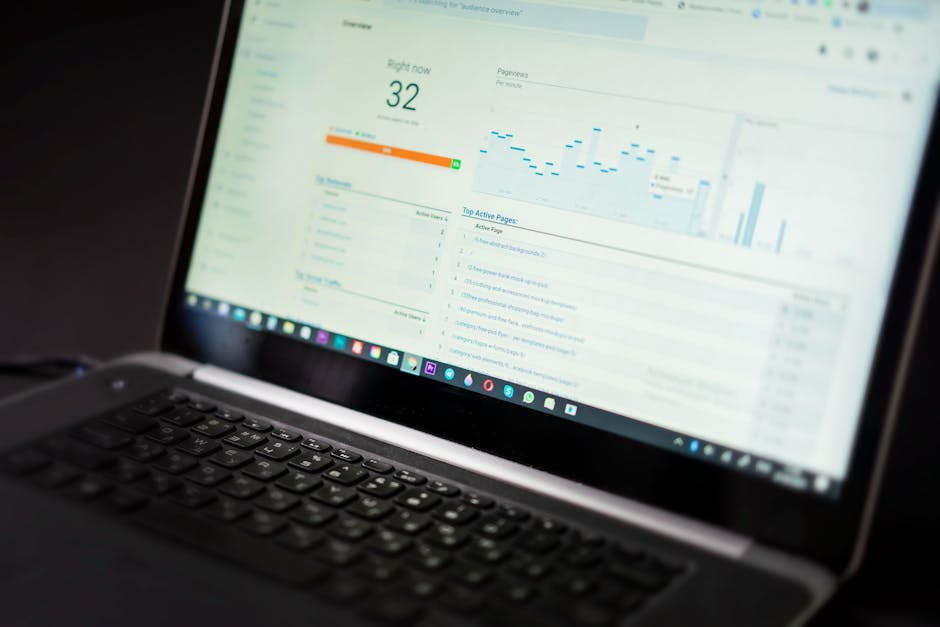
An SEO dashboard for tracking blog performance should not be a wall of charts. If you're a business owner, you need a short list of signals that tell you, "this is gaining traction" or "this needs a change."

In our platform at SEO Sniper, the dashboard is there to make results visible. Not everyone wants to live in Google Search Console all day. Most people just want to know what's ranking, what's climbing, and what's doing nothing.
Here's what I consider "must-have" tracking for automated blog posting.
1) Indexing and Crawl Visibility (the First Gate)
Before you obsess over rankings, make sure posts are getting discovered. If your pages aren't indexed (added to Google's results), they can't rank.
A good workflow is to publish consistently, then periodically check which URLs are indexed and which aren't. If indexing is slow, you may need to improve internal linking, clean up thin pages, or fix technical issues.
If you want the source-of-truth tool for indexing and search queries, Google's own platform is still the baseline: Google Search Console documentation.
2) Rankings That Move, Not Rankings You "Have"
Most businesses fixate on, "Do I rank #1 for my main keyword?" That's usually the wrong frame early on.
The better question is, "Which posts are moving up over time?" Movement tells you your site has momentum, even if you're not on page one yet.
When you publish daily, you'll see a pattern:
- Some topics climb quickly to the middle positions.
- Some topics stall.
- A few break through and become steady traffic.
Your job is to double down on what climbs.
3) Clicks and Impressions (Your Early-Warning System)
Clicks are great, but impressions matter too. Impressions tell you Google is testing your pages for queries. If impressions are rising and clicks are flat, you might need better titles and meta descriptions, or you might be ranking just low enough that nobody clicks.
This is also where "automation" gets smarter. Once you know which themes get impressions, you can publish more around that theme and build authority faster.
4) "Best-Performing Content" by Topic Cluster
This is the non-obvious metric most people miss. Don't track posts as individual lottery tickets. Track them as groups.
Example clusters:
- "Local service pages + FAQs"
- "How-to guides for one service line"
- "Comparison posts (X vs Y) for buyer intent"
If your dashboard helps you spot that one cluster is outperforming everything else, you've found your lane. Then your next 30 posts should live in that lane.
5) Leads or Conversions (Even a Simple Proxy)
SEO traffic is only useful if it turns into business. Not every budget has full conversion tracking set up, but you can still use simple signals:
- Contact form submissions
- Phone calls (if you have call tracking)
- Booked appointments
- Email signups
If you don't track any of that, you're flying blind. Even a basic "thank you" page goal helps.
A Straight Decision Framework: Pick the Package That Matches Your Reality
Most people don't need "the best" package. They need the package that fits their workload, number of websites, and tolerance for waiting.
Here's the framework I'd use if I were buying this for my own business.
Choose a Basic Package If You Have One Website and Zero Time
This is the right fit if:
- You have 1 site.
- You just need consistent publishing.
- You don't want to manage a writer.
- You want a predictable monthly cost.
At SEO Sniper, that's our $59 basic plan, which includes 1 website (URL) and up to 1 automated SEO post per day.
This is also the plan for people who know they won't stick to a manual process. If you've tried "I'll write every week" and it didn't happen, that's not a character flaw. It's a system problem.
Choose Standard If You're Running Multiple Sites or Multiple Offers
This is the right fit if:
- You have 2-3 websites, or one business with several clear services.
- You want faster content velocity (more pages published per week).
- You want to test more topics without waiting months.
Our $149 standard plan includes 3 websites (URLs) and 3 automated SEO posts per day.
Standard is where SEO starts to feel like a compounding machine. You're creating enough surface area for Google to find you for long-tail searches (long, specific queries that are easier to rank for).
Choose Pro If You're Building a Portfolio or Managing Many Brands
This is the right fit if:
- You manage multiple websites for clients.
- You run a portfolio of niche sites.
- You want maximum publishing consistency across many domains.
Our pro edition includes 10 websites (URLs) and 10 automated SEO posts per day.
If that's you, you'll probably also want a bigger content system. This pairs well with SEO blog post automation for large portfolios because managing 10 sites is not just "more content." It's more planning, more prioritization, and more tracking.
Worked Example: What "Budget SEO Looks Like Over 60 Days
Let's make this real with a simple model. Not a fantasy "rank #1 in two weeks" model, just a practical one.

Assume you're a local service business with one website. You pick a basic automated package and publish up to 1 post per day. You don't publish 60 random posts. You publish 60 posts that build around 3 service themes.
Here's a clean way to structure it.
Step 1: Pick 3 Money Themes
These should be the services that keep the lights on, not vanity topics.
Example themes for a home services business:
- Service A (repairs)
- Service B (install)
- Service C (maintenance)
Each theme becomes a "cluster" (a group of related posts).
Step 2: Build 20 Posts Per Theme
Now you're not guessing daily. You're filling in a map.
A 20-post cluster can include:
- 6 "how it works" posts (process, timelines, what to expect)
- 6 "cost and pricing factors" posts (not exact prices, just what drives cost)
- 4 "problem and symptom" posts (common issues people search)
- 4 "service area" posts (if you're local, and it's relevant)
This does two things. It gives Google a clear topic focus, and it gives you more chances to match real searches.
Step 3: Use the Dashboard to Identify Winners
By day 30 to 60, you typically start seeing separation. Some posts get impressions. Some get nothing. Some start climbing.
Here's how you act on that data, without becoming an SEO analyst:
- Find the top 5 posts by impressions. That means Google is testing them.
- Look for the shared pattern. Same service theme? Same style of query?
- Publish 10 more posts that support that pattern. More FAQs, more comparisons, more "cost factors," more "best practices."
- Strengthen internal links. Link from new posts back to the best-performing post, and to your main service page.
This is why automation plus tracking beats random content. The dashboard tells you where to push.
If you need help picking the right keywords to feed your content plan, using Google Keyword Planner for SEO to automate topic selection is a solid starting point.
Common Mistakes That Make "Affordable SEO Packages" Feel Like a Scam
Affordable automation gets a bad name because people buy it like a lottery ticket. They publish content, don't track anything, and then decide SEO "doesn't work." It's not that simple.
These are the mistakes I see most often, and they're all fixable.
Publishing Without a Focused Topic Set
If your posts bounce between unrelated topics, Google can't figure out what your site is about. You end up with a lot of pages and very little authority.
Fix: Pick 2-5 core themes and stick to them for at least 60-90 days.
Ignoring Internal Linking
New posts should not live as islands. Internal links (links between your pages) help search engines understand what's important and how pages relate.
Fix: Each new post should link to:
- The main service page it supports
- One or two related blog posts in the same cluster
Keep it natural. No spam. Just real navigation that makes sense.
Expecting Automation to Replace a Real Offer
Content can't fix a weak offer, confusing service pages, or a site that doesn't load well. SEO is an amplifier. It amplifies what's already there.
Fix: Make sure your main pages are clear. Tell people what you do, who it's for, and how to contact you.
Measuring the Wrong Things
If you only check "total traffic" once a month, you won't see what's working. If you only check one keyword, you'll miss the long-tail growth that usually comes first.
Fix: Use an SEO dashboard for tracking blog performance to watch momentum, not perfection. Look for:
- More pages getting impressions
- More queries showing up
- More posts moving up in rank
Quitting Right Before It Starts Compounding
SEO is not instant, but it is cumulative. The biggest gains often show up after you've built enough content depth that Google starts trusting your site on a topic.
Fix: Commit to a minimum runway. If you can't commit to months, don't invest at all. Consistency is the whole point.
What You Should Ask Before You Buy Any Automated Blog Post Package
A lot of "packages" are just content output. That's not enough. You should know what you're buying, how it's managed, and how you'll measure results.
Here's a practical checklist that protects your budget.
- How many websites (URLs) are included? This matters if you run multiple brands.
- How many posts per day? A post per week is a different strategy than daily publishing.
- Do you get visibility into performance? If there's no tracking, you're guessing.
- Can you see what you rank for? Even basic visibility helps you decide what to publish next.
- Is the goal consistent publishing or custom editorial? Don't pay for a newsroom if you need a pipeline.
At SEO Sniper, we built the service around the reality most business owners live in. You want affordable, consistent posts, and you want a dashboard that shows what's working so you can steer.
FAQ
How Long Does It Take for Automated SEO Blog Posts to Show Results?
Most sites need time for pages to get crawled, indexed, and tested in search results. In our experience, the first signal you'll see is impressions rising before clicks rise. Rankings usually move gradually as your site builds topical depth.
Will Daily Blog Posts Hurt My Site?
Publishing frequently isn't the problem. Publishing low-effort, off-topic pages can be. The safer approach is daily content inside a focused set of themes, plus basic internal linking so pages support each other.
Do I Still Need an SEO Dashboard If I'm on a Budget?
Yes. If money is tight, tracking matters more, not less. An SEO dashboard for tracking blog performance helps you stop wasting time on topics that go nowhere and publish more of what's gaining traction.
Is Automation Better Than Hiring Freelance Writers?
It depends on your goal. If you need a high-touch brand voice and original interviews, freelancers can be worth it. If you need consistent SEO publishing at a predictable cost, automation is usually the better fit. For a deeper comparison, see freelance writing platforms vs automated SEO for predictable publishing.
The Bottom Line: Pick a Budget, Then Pick a System You'll Actually Run
Affordable automated SEO blog post packages work when they remove friction. You stop relying on motivation, and you start relying on a machine that publishes.
If you want the simplest version of that, start with one site and one post per day. If you're running multiple sites or testing multiple offers, move up to a plan that matches your workload. Then use the SEO dashboard for tracking blog performance to focus your next month of content on what's already showing traction.
If you're ready to stop treating SEO like a side project, SEO Sniper is built for exactly that. Set it, publish daily, watch the dashboard, and keep pushing what works.