SEO Blog Writing Service with Dashboard: Discover Automated Posts and Real Ranking Insights
You publish a blog post, wait a few weeks, and still can't tell if it helped. No clear ranking movement, no clue what keywords you're showing up for, and no time to keep guessing.
That's the reason I built SEO Sniper as an SEO blog writing service with dashboard visibility. You get automated, SEO-optimized posts published consistently, and you also get a dashboard that shows where you rank and what's working best, so you can stop throwing content into the void.
What You Actually Get (and What You Don't)
Most "SEO content" offers sound the same on the surface. The difference comes down to two things: consistency and feedback. Consistency is the publishing cadence. Feedback is knowing what's paying off.
With SEO Sniper, the core offer is simple. I deliver automated SEO optimized blog posts, and I pair it with a dashboard that shows ranking performance and what you perform best on.
Here's what that means in plain terms.
- Automated posting, up to a plan-based daily limit (1, 3, or 10 posts per day)
- Support for multiple websites (1, 3, or 10 URLs depending on plan)
- A dashboard view into where you rank and what content performs best
- A "set and forget" workflow so you're not managing writers, briefs, and deadlines
Here's what I don't want you to assume.
- This isn't a promise that every post ranks.
- This isn't a replacement for a strong offer, good site UX (user experience), or a decent product.
- This isn't magic. It's consistent output plus visibility so you can make better decisions.
If your current pain is "I don't have time to publish" and "I can't tell what's working," this is built for you.
Why the Dashboard Part Matters More Than People Think
Automated content without measurement is just automated hope. The dashboard is what turns posting into a loop you can improve.

The mistake I see a lot is businesses treating SEO like a one-time project. They publish a handful of posts, then stop. Or they keep publishing, but they don't learn from the winners and losers.
A dashboard changes your behavior because it shows you outcomes, not activity.
The Three Insights Most Businesses Miss Without a Dashboard
Most site owners focus on "Did traffic go up?" That's a lagging signal and it's noisy. Ranking visibility is often the first clean signal you can act on.
A practical SEO dashboard should help you spot:
- Early ranking movement
You might not be on page one yet, but jumping from not ranking at all to page 5 is progress. Without a dashboard, you miss that. With it, you can double down on the themes that are gaining traction.
- Which topics are your real strength
Every site has a natural advantage. Sometimes it's local intent, sometimes it's product comparisons, sometimes it's "how to fix" content. Seeing "what you perform best on" is how you find that advantage.
- What to stop doing
This is the underrated part. If a content category isn't moving after consistent publishing, you can shift. Most businesses never shift because they never measure.
If you've been paying for content and still feel blind, the dashboard piece is not a nice-to-have. It's what makes content spend accountable.
A Worked Example: How I'd Use Automated Posting Plus Insights for a Multi-Site Owner
Here's a concrete scenario, because the "set and forget" promise only matters if the results are usable.
Say you manage three sites. Maybe it's three service areas, three brands, or a portfolio of small niche properties. You don't need a complicated SEO strategy deck. You need output, and you need a way to see which site is gaining ground.
The Setup
- You pick the Standard plan ($149), which supports 3 websites (URLs) and up to 3 automated SEO posts per day.
- You run it for long enough to let search engines crawl and evaluate the pages. SEO isn't instant, so you're watching for trendlines.
The "Dashboard-Driven" Way to Decide What to Do Next
After the first set of posts is live and crawled, you're looking for patterns. This is the part most businesses skip.
Here's a simple decision loop I use.
- Pick one site to lead with
If one URL shows clearer ranking movement, it becomes the lead site. Not because the others are bad, but because momentum compounds.
- Identify the topic cluster that's winning
A cluster is a group of related posts (like "roof repair costs," "roof leak fixes," "roof inspection checklist"). If your dashboard shows those posts ranking better than your general "What is X?" content, that's your signal.
- Allocate your daily posts based on winners
You have 3 posts per day total across 3 sites. You don't have to split 1/1/1.
A practical split could be:
- 2 posts/day to the site that's gaining traction in rankings
- 1 post/day to the second-best performer
- Pause the third site's publishing for a short window if it's not moving, then revisit with a different angle
This is the non-obvious trade-off: equal effort across all sites feels fair, but it's often slower. A dashboard lets you invest where SEO is already starting to respond.
What "Good" Looks Like in the First Phase
You're not demanding perfection. You're looking for signals that the engine is working.
- More keywords ranking (even if they're not top 10 yet)
- A few posts breaking out as top performers
- Clearer theme alignment (you see which subjects the site seems to "deserve" to rank for)
If you want to sharpen the keyword angle you're publishing around, pair this with SEO checker keyword research tools so you're not choosing topics on vibes.
Choosing the Right Plan Without Overbuying (or Underbuying)
Most people choose a plan based on price and regret it later. The better way is to choose based on how many sites you need to grow and how much content volume you can realistically absorb.

I keep pricing simple:
- Basic ($59): 1 website (URL), up to 1 automated SEO post per day
- Standard ($149): 3 websites (URLs), up to 3 automated SEO posts per day
- Pro: 10 websites (URLs), up to 10 automated SEO posts per day
Here's the framework I'd use to decide.
Choose Basic If
You have one main website and you want consistent publishing without thinking about it.
Basic is also the right starting point if:
- You're validating a new site and need momentum
- You have limited time to review performance, so simpler is better
- You want to prove the model before expanding
Choose Standard If
You have multiple sites or multiple lines of business, and you want to see which one responds.
Standard fits well if:
- You run 2-3 service websites or a small portfolio
- You want enough volume to test different topic angles
- You don't want SEO to bottleneck because of publishing speed
Choose Pro If
You're a marketer, an entrepreneur with a portfolio, or you manage many client sites and you need high daily output.
Pro is for people who treat content like infrastructure. It's not a "try it out" plan, it's a production plan.
The Hidden Constraint People Forget
More posts only helps if your site can handle them.
Before you ramp up volume, make sure:
- Your site isn't blocking crawlers (robots.txt issues)
- Your site is indexable (pages can be found and stored by Google)
- Your internal links and navigation aren't a mess
If your technical base is shaky, publishing more can feel like pushing the gas with the parking brake on. The dashboard is how you catch that early because you'll see weak movement across the board.
If you're comparing this to other options, SEO marketing agency pricing plans for automated blog posts lays out how automated pricing stacks up against typical agency retainers.
What to Expect in the First 30 to 90 Days (and the Mistakes That Waste Time)
SEO is a system, not a switch. The biggest frustration I hear is "We posted, and nothing happened." Most of the time, it's not that nothing happened. It's that nobody was looking at the right signals.
A Realistic Timeline (Without Fake Promises)
In the early window, your best outcomes are usually:
- Search engines discovering and indexing the new pages
- Some posts starting to rank for long-tail queries (more specific searches)
- A clearer pattern of which topics Google associates with your site
The dashboard is what keeps you sane here. It lets you measure traction before traffic feels obvious.
The Four Mistakes That Kill Automated Content Results
- Changing direction every week
If you publish ten posts and then switch topics completely, you never build topical authority (the sense that your site consistently covers a subject well). Consistency matters.
- Publishing without matching intent
A post can be well written and still fail if it doesn't match what searchers want. "Best X" and "How to fix X" are different intents. Your winners will usually share intent patterns.
- Ignoring the winners
If a few posts start performing, you should produce more around that theme. Many businesses do the opposite and chase novelty.
- Expecting content to fix a broken offer
Content brings the right people. It can't make people buy something they don't want. If your conversion is weak, content will expose that.
The Practical Win: Less Guessing, More Compounding
Automated content is about compounding. The dashboard is about steering the compounding in the right direction.
That combination is why an SEO blog writing service with dashboard visibility is different than "we'll send you some posts each month." Posts are output. Rankings and best-performer insights are feedback.
FAQ
Can I Use This If I Already Have Writers?
Yes. A lot of owners use automation to cover consistent publishing, then use writers for flagship pages, product pages, or thought-leadership pieces. The dashboard still helps you see what topics are paying off.
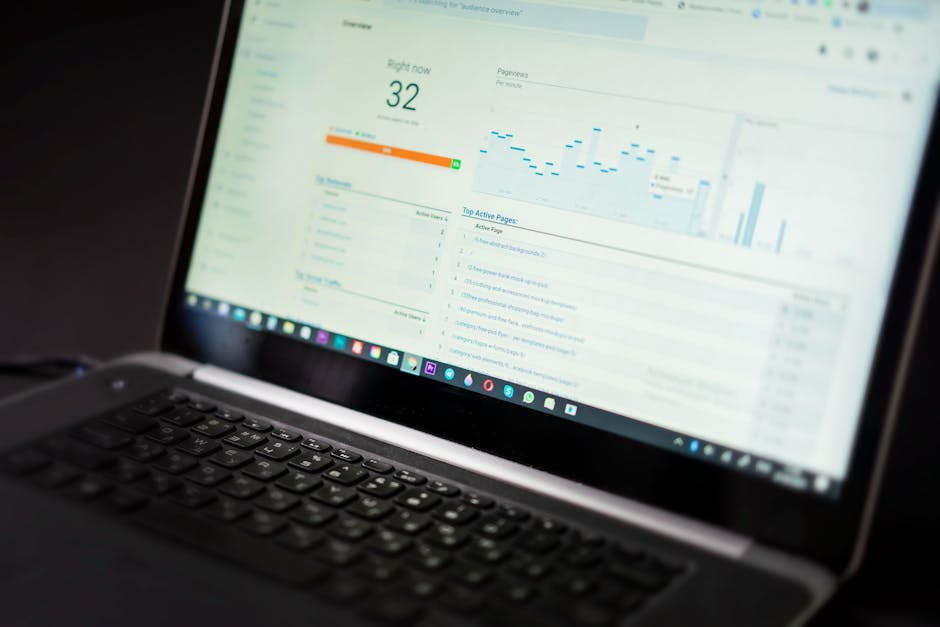
Will the Dashboard Show Exact Keyword Positions?
The dashboard is built to show where you rank and what you perform best on. Exact views can vary by tool and location, since rankings can differ by device and geography. The point is directional clarity you can act on.
How Many Posts Should I Publish Per Day?
Publish at the pace your site can support and your business can absorb. For a single local service site, 1 per day can be plenty. For portfolios, higher volume helps you test and allocate effort faster.
Do I Need to Do Anything Besides Turn It On?
You'll get the best results if you check the dashboard and react to what it's telling you. "Set and forget" handles publishing, but the insight is where you make smarter calls.
If You Want SEO That You Can See, Not Just Pay For
Most businesses don't fail at SEO because they never post. They fail because they can't keep it going, and they can't tell what's working.
That's the gap SEO Sniper fills. You get automated SEO blog posts at a fraction of typical agency pricing, plus a dashboard that shows rankings and highlights what's performing best.
If you're ready to stop guessing and start building steady search visibility, pick a plan that matches your number of sites and the output you want, then let the system do its job.