SEO Blog Optimization Service Pricing for Entrepreneurs in 2024: What You're Really Paying For
You don't need "more content." You need content that shows up.
I see the same story play out with entrepreneurs in 2024. They publish a few blog posts, check Google a week later, and nothing moves. Then they look at agencies and freelancers, and the pricing is all over the place. One quote looks cheap until you read the fine print. Another quote is so high you'd need the blog to print money.
If you're trying to understand SEO blog optimization service pricing, here's the straight answer. You're paying for a repeatable system that turns topics into search-focused posts, publishes them consistently, and proves what's working. The price changes based on volume, speed, and whether reporting is included.
Below I'm going to break down what actually drives cost, what "good" pricing looks like for an entrepreneur, and how to pick a plan without guessing.
The Real Pricing Drivers (It's Not Just "One Blog Post")
Most pricing conversations start with the wrong unit. People ask, "How much per post?" but SEO rarely works like a one-off purchase.
A post is only valuable if it is part of a system that compounds. That system has a few cost drivers that matter a lot more than the word count.
Here's what really moves pricing up or down.
- Publishing frequency (cadence). One post a week is a different game than one post a day. The faster you publish, the faster you can learn what topics Google responds to.
- Number of sites (portfolios vs one brand). Managing one site is simple. Managing three or ten sites means more strategy, more tracking, and more things that can break.
- Optimization depth. A post with a keyword in the title is not the same as a post built to match search intent (what the searcher is trying to do) and internal linking paths.
- Consistency and "set and forget." If you have to babysit a content process, you pay in time. Entrepreneurs feel that cost even when it doesn't show up on an invoice.
- Reporting and accountability. Without rank tracking and performance reporting, you end up paying for activity, not outcomes.
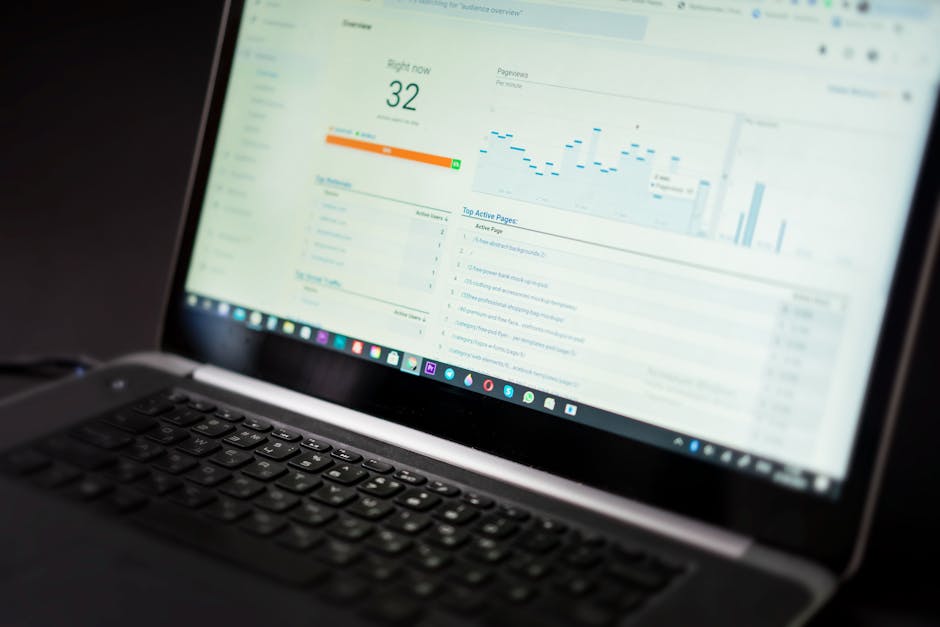
That last point is why we built SEO Sniper the way we did. Automated content is great, but automated content without visibility is just noise. That's also why our platform includes an SEO dashboard that shows where you rank and what's performing best.
If you want to compare tool-based automation to other options, our breakdown of automated SEO tools that actually move rankings is a good companion read.
What You Should Expect From Automated Pricing in 2024 (and What's Usually Missing)
In 2024, a lot of "automated blog" offers look similar on the surface. They promise AI content, fast publishing, and SEO-friendly posts.

The part most entrepreneurs miss is what's not included.
Common Pricing Models You'll See
You'll usually run into one of these structures:
- Per-post pricing. Feels simple, but it encourages one-off ordering. SEO needs consistent publishing.
- Monthly retainer. Usually bundles strategy, writing, editing, and reporting, but it can get expensive fast.
- Software subscription (automation). Typically gives you speed and consistency, and you trade off some "white glove" custom work.
None of these are automatically "good" or "bad." The right fit depends on how hands-on you want to be and how many sites you're trying to grow.
The Missing Pieces That Change Results
When entrepreneurs tell me they "tried AI blogging and it didn't work," the issue is usually one of these gaps:
- No clear keyword and intent targeting. The post isn't written for a searcher with a specific problem.
- No internal linking plan. Posts get published and then sit alone, so Google can't easily understand site structure.
- No performance feedback loop. If you don't track rankings and page performance, you can't double down on winners.
- No consistency long enough to compound. SEO is not instant. If publishing stops after two weeks, you never get the payoff.
This is why I like simple, predictable pricing tied to publishing volume and number of sites. Entrepreneurs can plan around it.
At SEO Sniper, our pricing is built around that exact reality:
- $59 Basic: 1 website (URL), up to 1 automated SEO post per day
- $149 Standard: 3 websites (URLs), 3 automated SEO posts per day
- Pro edition: 10 websites (URLs), 10 automated SEO posts per day
The point is not to make you do math gymnastics. The point is to let you match your plan to your growth model.
If you want a deeper look at plan-style comparisons, automated SEO blog post pricing plans and how to think about them covers that angle in more detail.
A Decision Framework: Choose a Plan Based on Your Business Model
Most entrepreneurs don't fail at SEO because they picked the "wrong" price. They fail because they picked a plan that doesn't match how their business actually operates.
Here's the framework I use when someone asks me what level of automation makes sense.
Choose "Low Volume, High Intent" If You Sell High-Ticket or Need Trust
If you sell something expensive, or you need trust to close deals (coaching, agencies, specialized services), you usually don't need 300 random posts.
You need fewer posts that hit the exact problems your buyers Google right before they reach out.
Pick a plan and workflow that supports:
- Tight topic selection (pain-focused searches)
- Consistent publishing without gaps
- Tracking to see what starts ranking so you can expand that cluster (a cluster is a group of related posts)
This is where 1 post per day can still be powerful, because you can build depth in one niche fast.
Choose "High Volume, Wide Coverage" If You're Building a Content Moat
If you run a local directory, affiliate site, niche media site, or any model where traffic itself is the asset, volume matters.
The faster you can publish targeted pages, the faster you can find pockets of ranking opportunity.
Pick a plan and workflow that supports:
- Many posts across many subtopics
- Multiple sites if you're building a portfolio
- A dashboard that tells you what's working so you can scale the winning topics
That's where a 3-site or 10-site setup makes sense. You're not "blogging." You're building a traffic engine.
Choose Portfolio-Style Automation If You Have Multiple Brands (or You're a Marketer)
If you have more than one site, the real cost is context switching.
Writing, publishing, tracking, and learning across several properties turns into a part-time job fast. That's usually the moment entrepreneurs either hire help or give up.
Automation pricing tends to win here because it keeps output steady across the whole portfolio, instead of letting one site get all the attention while the others stall.
Worked Example: What Pricing Looks Like When You Think in "Output Per Month"
Most people look at a monthly price and don't translate it into output. That's where bad decisions happen.
So here's a clean worked example using the way entrepreneurs actually operate.
Scenario 1: Solo Founder with One Site
You run one website. You want consistent publishing, but you can't spend your evenings writing.
If you can publish up to 1 post per day, that's roughly 30 posts in a month.
Now think about what that means in practice:
- You can cover your core services, your key locations (if you're local), and your main customer problems.
- You can build topic clusters instead of random posts.
- You can wait for the early ranking signals and then create more content around what starts working.
The non-obvious benefit here is speed of learning. More posts means more data, and more data means you stop guessing.
Scenario 2: Entrepreneur with Three Sites (or Three Offers)
Now you have three URLs. Maybe you run three brands, or you have one main business plus two side properties.
If each site gets up to 1 post per day, you keep them all active.
Here's what changes:
- You're not trying to "save" one site with heroic effort.
- Each property has enough momentum to rank for long-tail searches (long-tail means specific searches with lower competition).
- You can spot patterns. Sometimes one niche responds faster, and that teaches you what to do on the others.
This is also where reporting stops being optional. Without a dashboard, you end up staring at analytics and still not knowing what to write next.
Scenario 3: Portfolio Builder with Ten Sites
At ten sites, the real value is operational.
You're building a machine. You want steady output, and you want to see which properties are gaining traction.
At this stage, entrepreneurs usually care about:
- Keeping all sites publishing on schedule
- Identifying winners early
- Spending human time only where it creates leverage (offers, partnerships, conversion improvements)
That's the point where a "set and forget" system is not a luxury, it's the only way to keep the portfolio alive.
Trade-Offs Entrepreneurs Miss (the Stuff That Makes Pricing Make Sense)
A lot of pricing articles pretend every option is identical, so you should just buy the cheapest.
That advice burns people.
Pricing makes sense once you understand what you're trading.
Trade-Off 1: Custom Strategy vs Repeatable Output
A traditional agency may offer deep strategy, interviews, brand voice work, and careful editorial review.
That's valuable, but it costs more and it moves slower.
Automation is the opposite. It gives you repeatable output at a predictable price. The trade is that you should still steer it with smart topic choices and keep an eye on performance.
If you're an entrepreneur, speed and consistency often beat perfect wording.
Trade-Off 2: Paying Money vs Paying Time
This one is simple but it's the biggest.
If you don't pay for a system, you pay with your calendar. That means late nights, inconsistent posting, and long gaps where Google stops seeing your site as active.
Entrepreneurs usually underestimate how expensive inconsistency is.
Trade-Off 3: "Content" vs "Content with Feedback"
If you publish blind, you will keep repeating what you think should work.
If you publish with tracking, you can do more of what is already starting to rank.
That feedback loop is why we include an SEO dashboard in SEO Sniper. I'd rather you see what's working than feel like you're throwing posts into the void.
If you're trying to tighten that loop, how an SEO dashboard helps you track automated posts that actually rank goes deeper on what to watch.
Trade-Off 4: Quantity Without Control Can Create Mess
Here's a practical caveat. More posts is not always better if the topics are random.
If you publish content that doesn't match your business, you can confuse both readers and search engines. That's why entrepreneurs should still define their categories, offers, and target customers before they scale volume.
Automation works best when the inputs are clean.
What "Fair Pricing" Looks Like for Entrepreneurs (a Quick Checklist)
I'm not going to tell you there's one perfect price, because pricing depends on your goals and your runway.

But I can tell you what fair pricing looks like from an entrepreneur's point of view.
A fair offer usually has:
- Clear output limits. You should know how many sites and how many posts you're paying for.
- A repeatable process. If the "strategy" is vague, you are paying for talk.
- Visibility into performance. Rankings and best-performing pages should be easy to see.
- A path to scale. If it works for one site, you should be able to expand without rebuilding everything.
- No bait-and-switch add-ons. The core value should not require ten upsells.
That's the lens I'd use whether you choose software, a freelancer, or an agency.
FAQ Automated SEO Blog Post Pricing for Entrepreneurs
Is Per-Post Pricing a Bad Deal?
It's not automatically bad. It's just easy to buy a few posts and stop, then wonder why nothing changed. SEO usually rewards consistent publishing over time.
How Fast Should I Expect Results From Automated Blogging?
SEO timelines vary a lot by niche, site history, and competition. In practice, you're looking for early signals first (indexing, impressions, a few rankings), then you build on what shows traction.
What's the Biggest Mistake Entrepreneurs Make with Automated Blog Services?
They scale output before they have clear topic focus. If your categories, offers, and target customer are fuzzy, automation can create a pile of content that doesn't support the business.
Should I Use Automation If I'm Worried About AI-Sounding" Writing?
You should care about readability and usefulness, not labels. If you want a practical way to make posts sound more natural, check how to humanize AI blog text without sounding fake.
The Simple Way to Pick a Plan and Move Forward
Entrepreneurs don't need another marketing project. You need a system you can keep running while you build the business.
If you're trying to make 2024 the year your site stops being invisible, start by picking a plan based on two things: how many sites you need to grow, and how fast you want content going live.
That's exactly why SEO Sniper pricing is built around websites (URLs) and automated posts per day. You get consistency, you get scale, and you get a dashboard that shows what's working. If you're ready to stop guessing and start publishing with a real rhythm, that's what I built this for.