Online Tools to Humanize AI Text: Boost Your SEO with Google Bard for Blogs
Google is getting better at spotting content that feels mass-produced, and readers are getting faster at bouncing the second a blog post sounds like a robot wrote it.
If you're leaning on AI to publish more often, you need online tools to humanize AI text so the end result reads like a real person, with real opinions, real specifics, and real structure. Google Bard (now part of Google Gemini for many users) can help, but only if you use it like an editor, not a copy machine.
This guide is built for the person who already has AI drafts, wants them to perform in search, and doesn't want to spend all night "fixing the vibe." I'm going to show you how to use Bard to humanize a blog post the right way, where it helps, where it hurts, and how to decide between DIY editing and set-and-forget automation.
What "Humanize AI Text" Actually Means for SEO (Not Just Style)
A lot of people hear "humanize" and think "add a few contractions and jokes." That's not the real issue.
For SEO, humanizing is about making the content look and feel like it came from experience and intent, not from a template. Google doesn't need your post to be poetic. It needs your post to be useful, clear, and written for a real reader.
Here's what I look for when I'm judging whether an AI draft is going to struggle:
- It says obvious things without making decisions (no point of view, no trade-offs).
- It repeats itself with different words (classic AI filler).
- It uses generic transitions and vague claims ("boosts engagement", "saves time") with no "how."
- It has no real-world constraints (budget, time, tools, team size).
- It's missing the little details that prove someone has done this before (what goes wrong, what to check, what to avoid).
Humanizing fixes those issues by adding friction and specificity. Not more words, better words.
The New Reality: AI Search Summaries Punish Bland Content
Search is shifting toward answer engines and AI summaries. That means the top-of-page "winner" is often the page that answers the question fastest and cleanest.
If your intro reads like a school essay, you don't get the click. If your middle reads like a rephrased competitor post, you don't get the trust.
This is why humanized writing is not just a brand preference. It's a distribution strategy.
The "Human Signals" Checklist I Use Before Publishing
If you want something you can run through quickly, these are the signals that usually make a post feel human (and perform better):
- A clear stance (what you recommend, and who it's for).
- Concrete examples (even simple ones, like a sample intro rewrite).
- Constraints and caveats (what to do if you're a local business, a SaaS, or an affiliate site).
- Tight structure (short paragraphs, clear headings, no wandering).
- Language that matches the reader (simple words, fewer buzzwords).
Bard can help produce these, but only if you ask for them on purpose.
How I Use Google Bard as One of the Online Tools to Humanize AI Text
Most people use Bard like this: paste draft, ask "make it human," publish.

That's how you get content that sounds different, but still empty.
I use Bard like an editor with a checklist. It's not writing the post from scratch. It's upgrading a draft so it has (1) clarity, (2) specificity, and (3) a reason to exist.
Here's the workflow that consistently produces better blog content.
Step 1: Tell Bard Who the Reader Is and What They're Trying to Do
If you don't define intent, Bard will guess. Guessing creates generic writing.
Give it a simple "reader snapshot":
- Who: small business owner, marketer, agency, niche site builder
- Goal: rank a blog post, improve conversions, reduce bounce
- Constraint: limited time, limited budget, needs fast output
Then force an outcome:
- "Write an opening that answers the query in 2 paragraphs."
- "Add a decision framework with trade-offs."
- "Remove fluffy lines that say nothing."
This turns Bard from a text spinner into a structure builder.
Step 2: Ask for "Specificity Inserts," Not Just a Rewrite
A straight rewrite can still be generic, just in different words.
Instead, I ask for inserts that a human would naturally include:
- A worked example section
- A "choose A vs choose B" section
- A "common mistakes" list
- A short checklist readers can use
You're not hoping the model adds value. You're telling it exactly what value looks like.
Step 3: Add a Brand Voice Constraint (Simple, Not Dramatic)
If your tone is practical and direct, say that.
You can use a prompt like:
- "Rewrite in a pragmatic, confident voice. Short sentences. No hype. No fluffy transitions."
Then include bans:
- "Do not use phrases like 'explore' or 'unlock'."
- "No rhetorical questions."
That matters because Bard will otherwise fall back on "blog voice," and that voice is usually the same everywhere.
Step 4: Make Bard Tighten the Middle, Not Only the Intro
AI drafts often have a decent intro, then go soft in the middle.
I like to run a "compression pass":
- "Cut 15% of the words without losing meaning."
- "Remove repeated ideas."
- "Replace vague claims with concrete guidance."
This is one of the fastest ways to make AI content feel human. Humans don't repeat themselves that much.
Step 5: Run a "Contrarian Pass" so It Has a Point of View
One thing AI avoids is taking a stance. That's why AI posts feel like they were written to offend nobody.
Ask Bard:
- "Add a section that explains when this advice fails."
- "Add trade-offs and edge cases."
- "Give me one strong recommendation and who should ignore it."
That creates a voice. A voice is what makes content memorable.
Worked Example: Turning a Stiff AI Draft Into a Human Blog Section (Using Bard)
I'm going to show you the exact kind of change that makes a post feel real.
The "Before" Paragraph (Typical AI Output)
"Using AI tools for blogging can improve productivity and help businesses create content at scale. By optimizing posts with SEO best practices, you can increase visibility and drive more organic traffic. Consistency is key for long-term results."
This isn't wrong, but it's useless. It could be on any website.
The Prompt I'd Give Bard
"Rewrite this paragraph for a small business owner who tried AI blogs and saw no ranking lift. Make it concrete. Add one realistic reason it didn't work and one clear fix. Keep it under 90 words. No generic buzzwords."
The "After" Version (What 'Humanized' Looks Like)
"AI can help you publish more, but volume doesn't rank by itself. Most AI blog drafts fail because they stay vague, they don't target a clear search intent, and they don't add anything new beyond what's already on page one. The fix is simple but not easy, pick one keyword, answer it fast, then add proof you know the topic (examples, steps, pricing, mistakes). That's what makes Google and readers trust it."
Notice what changed:
- It speaks to a real scenario (tried AI, no lift).
- It names failure points (vague, intent, nothing new).
- It gives a fix you can act on.
That's the difference between "AI text" and "human text."
The Non-Obvious Part: Humanizing Can Hurt Rankings If You Overdo It
Here's a trade-off people miss.
If you "humanize" by adding tons of extra flavor, stories, or side commentary, you can bury the answer. That can lower performance, especially for informational queries.
The target is not "more personality." The target is "more clarity plus more proof."
If the post is meant to rank, keep the core answer tight, then layer the human bits where they help:
- Examples
- Decision rules
- Warnings
- Simple definitions
Not rambling.
A Decision Framework: DIY with Bard vs Set-And-Forget Automation
Some people should absolutely DIY the humanizing step with Bard. Others should not.

If you pick the wrong path, you either waste time or publish content that never becomes an asset.
Here's the framework I use.
Choose DIY Humanizing with Bard If You Have These Conditions
DIY makes sense if:
- You publish less often and each post matters a lot.
- You have a strong opinionated brand voice.
- You can review drafts for accuracy and relevance.
- You're willing to spend 20 to 45 minutes polishing a post.
This is common for founders, consultants, and local businesses with a tight niche.
Your edge is your experience, and you can inject it fast.
Choose Automated Publishing If Consistency Is the Problem
Automation makes sense if:
- You know content frequency is the bottleneck.
- You run multiple sites or multiple service pages.
- You've started and stopped content marketing three times.
- You need a system that runs even when you're busy.
This is the exact gap we built SEO Sniper for.
I'm blunt about it, most businesses don't fail SEO because they can't write. They fail because they can't ship consistently for months.
If you're deciding what plan fits your setup, this breakdown helps: Automated Blog Content Pricing Plans Explained: Daily SEO Posting Without the Agency Bill.
The Hybrid Approach (What I See Work Most Often)
If you want the best mix of speed and quality, do this:
- Automate steady daily posting so your site grows.
- Manually "humanize" the 10 to 20 pages that directly drive revenue.
Those revenue pages might be:
- Your core service pages
- Your top converting blog posts
- Your comparison pages
- Your local landing pages
Automation keeps momentum. Human editing concentrates impact.
Common Mistakes People Make When Humanizing AI Blog Content
Most "humanization" mistakes happen because people optimize for passing detection, not for helping readers.
If you want SEO results, you need to care about usefulness more than cleverness.
Mistake 1: Editing for AI Detectors" Instead of Reader Intent
A lot of AI detectors are unreliable, and even when they flag something, that doesn't mean the content is bad.
If your content answers the query clearly and adds value, it's doing its job.
Focus on:
- Does the intro answer the search fast?
- Does each section earn its space?
- Does it give the reader a next step?
Not whether a random tool says "62% AI."
Mistake 2: Adding Filler to Sound "More Human"
People add:
- Long personal backstories
- Extra adjectives
- Jokes and tangents
That can lower trust and bury the useful parts.
Human does not mean wordy. Human means intentional.
Mistake 3: Keeping Generic Headings That Match Every Other Post
If your headings look like everyone else's, your content will read like everyone else's.
A quick fix is to rewrite headings so they match decisions readers are trying to make.
Instead of:
- "Benefits of AI in Blogging"
Use:
- "What to Fix in AI Drafts Before You Publish"
It's a small shift, but it changes the whole feel.
Mistake 4: Forgetting the SERP (Search Results Page) Reality
Even a great post can fail if it doesn't match what Google is already ranking.
Before you publish, check what page one looks like:
- Are the top results guides, lists, or product pages?
- Are they short or long?
- Are they beginner or advanced?
Then humanize in a way that matches the format people already want.
Mistake 5: Publishing Fast Without a Basic Accuracy Pass
AI can confidently write wrong details. That's not a style issue, it's a trust issue.
Do a quick check on:
- Names of tools and product features
- Prices and limits (if you mention them)
- Any "Google said" type claim
If it's not something you can verify, either cite a real source or remove it.
My Practical Stack: Where Bard Fits, and What I Pair It With
Bard is useful, but it's not the full system.
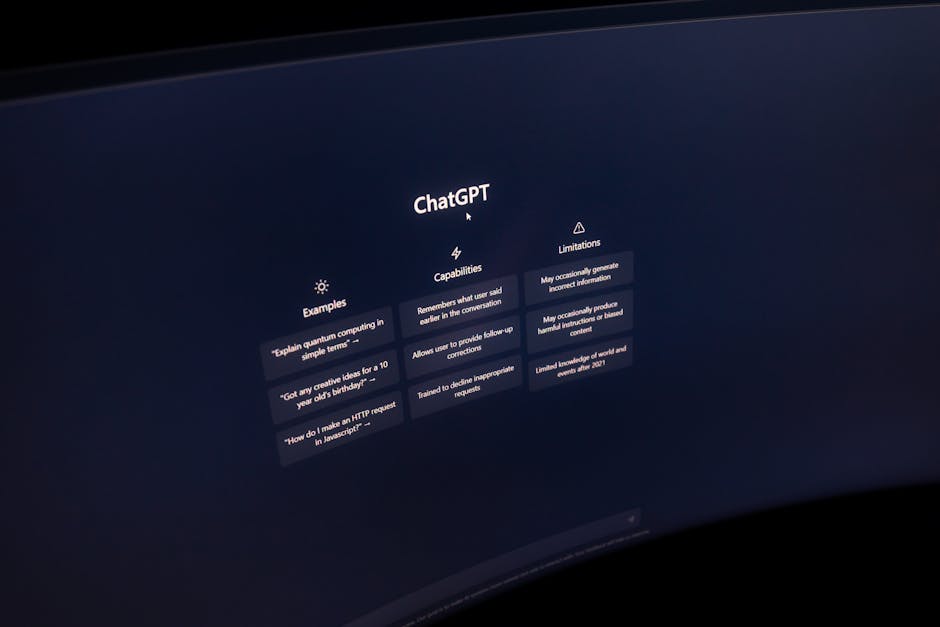
If you want content that ranks, you need a stack that covers creation, optimization, and consistency.
Here's how I think about it in plain terms.
What Bard Is Great At
- Rewriting stiff paragraphs into clean, natural language
- Generating alternative intros that answer faster
- Creating decision frameworks and checklists
- Cutting fluff and tightening wording
It's strong at shaping content once you already know the topic and intent.
What Bard Is Not Great at (Without Help)
- Choosing the right keyword target on its own
- Knowing what already ranks for your exact query in your niche
- Maintaining a consistent brand voice across months of posts
- Running a publishing cadence without you babysitting it
This is where many businesses fall back into "random posting."
If you want daily publishing without hiring an agency, that's exactly the lane for automated systems like ours. I built SEO Sniper to be set-and-forget, with automated SEO posts and a dashboard that shows what's working and where you rank.
If you want the feature-level breakdown of what automation can cover (and what you still control), this is worth scanning: Automated Blog Post Writing Service Features: Explore Affordable Automation.
A Simple Publishing Rule That Prevents AI Slop"
If you remember one rule, use this.
Don't publish AI drafts that only restate common knowledge.
Every post should include at least one of these "value anchors":
- A worked example
- A clear recommendation with who it's for
- A list of mistakes and fixes
- A comparison with trade-offs
- A checklist someone can use immediately
Bard can generate these anchors quickly, but you still have to demand them.
FAQ Quick Answers People Still Need
Is Google Bard the Same as Google Gemini?
Google has been shifting branding and product names. Many users now access similar capabilities under Gemini. The practical takeaway is the same, use Google's chat model to revise and improve drafts, not to publish raw output.Do I Need Online Tools to Humanize AI Text If I Already Edit a Little?
Light editing helps, but it often misses the real problems, vague intent, repeated ideas, and no unique value. A good tool plus a clear checklist usually gets you farther than "quick edits."How Long Should Humanizing Take Per Blog Post?
For most small business posts, a focused editing pass can be 20 to 45 minutes. If you're spending two hours per post, your workflow needs tighter prompts and stronger structure.Will Humanizing AI Text Guarantee Better Rankings?
No. Rankings depend on competition, search intent match, site authority, internal linking, and consistency. Humanizing raises your odds because it improves usefulness and reduces "generic content" signals.The Bottom Line: Use Bard Like an Editor, Then Publish Like a System
If you're serious about SEO growth, treat Bard as a tool for upgrades, not a magic content button. Use it to add specificity, cut fluff, and make the post sound like someone who actually means what they're saying.
Then solve the bigger problem, consistency. The sites that win are the ones that keep publishing useful content long after everyone else quits.
If you want the set-and-forget path, I built SEO Sniper for exactly that, automated SEO blog posts at a price normal businesses can afford, plus a dashboard that shows what's working so you're not guessing.