Modeling Agencies: Elevate Your Visibility with Automated SEO Blogs
Most modeling agencies don't lose work because their talent isn't good, they lose it because they're invisible at the exact moment someone is searching.
That moment is simple. A brand searches "models for skincare campaign in Austin" or a new model searches "commercial modeling agency near me." If your agency site has a thin services page and a couple of stale blog posts, you're not in the conversation. Not in Google, and not in the AI summaries pulling answers from high-coverage sites.
Automated SEO blogs are the fastest way I've found to close that gap without hiring a full content team. The idea is not "post random articles." The idea is to publish a steady stream of search-focused pages that match real queries you can win, then track what climbs and double down.
Below, I'll show you how to think about automated content for modeling agencies, what topics actually move rankings, a worked example you can copy, and the trade-offs people don't consider until they've wasted a few months.
The Hard Truth: Your Portfolio Isn't a Search Strategy
Most agency websites are built like brochures. Beautiful images, a short "About," a talent page, a contact form. It looks premium, but it doesn't answer enough search intents (search goals) to earn consistent traffic.
Search engines and AI search systems reward coverage. That means your site needs pages for:
- The types of jobs you book (commercial, runway, fitness, lifestyle, beauty, promotional)
- The industries you serve (e-commerce brands, local businesses, ad agencies, photographers)
- The cities and regions you operate in
- The common questions models and clients ask before they reach out
A single "Services" page can't carry that load. It can rank for your brand name. It can sometimes rank for "modeling agency [city]" if you're lucky and established. But it won't catch the long-tail queries (more specific searches) where smaller agencies can actually win.
This is where automated SEO blogs work, as long as you treat them like a system.
The system is simple:
- Publish pages that match real searches.
- Keep the topics tight and relevant to what you sell.
- Watch what climbs in rankings.
- Create more around what's working.
That is the difference between "we have a blog" and "we have an acquisition channel."
A Worked Example: One Agency, Three Audiences, 30 Days of Posts
Here's a practical model that fits how modeling agencies actually get business. You're selling to more than one audience, and your blog needs to reflect that.
The Three Audiences You're Really Targeting
1) Brands and marketers who need talent for a campaign.
They search by outcome and speed. They want to book reliable people fast.
2) Photographers and production teams who need models for shoots.
They search by style, availability, and whether you understand production.
3) Aspiring and working models who are comparing agencies.
They search for legitimacy, expectations, pay basics, and how to get signed.
If your content only speaks to models, you'll miss client work. If it only speaks to clients, you'll miss talent growth. You need both.
The 30-Post Sprint (Concrete Plan)
If I were launching automated SEO blogs for a mid-size agency in a single metro area, I'd start with 30 posts split like this:
- 12 client-intent posts (brands hiring models)
- 10 model-intent posts (getting signed, building a book, expectations)
- 8 local + niche posts (city, neighborhoods, event types, special categories)
Below are example titles that are specific enough to rank, without boxing you into one tiny niche.
Client-intent (12):
- How to hire models for an e-commerce photoshoot (timeline, usage, deliverables)
- Commercial models vs lifestyle models, what brands should pick
- What a modeling agency actually does for your campaign (and what you still own)
- How model usage rights work in simple terms (what to ask before you book)
- Casting a diverse campaign, how agencies source talent responsibly
- Model rates explained for small brands (what affects cost)
- How to plan a half-day shoot with agency talent
- Booking models for video ads, what changes vs photo
- What to send a modeling agency to get options fast (a booking checklist)
- How to avoid last-minute cancellations, planning and contracts
- How to choose between freelance models and an agency roster
- Creative brief examples that get better model submissions
Model-intent (10):
- What agencies look for when you apply (and what they ignore)
- How to build a starter portfolio without getting scammed
- Digitals (simple photos) that agencies can use, a clean checklist
- What to expect at an open call
- Modeling contracts explained in plain language (what to review)
- How to spot a legit agency vs a pay-to-play trap
- Commercial modeling, what it is and who it fits
- Runway vs print vs commercial, which path matches your look
- Model etiquette on set, the rules that keep you booked
- How to communicate availability so you get called more often
Local + niche (8):
- Models for trade shows and brand activations in [City]
- Hiring bilingual brand ambassadors in [City]
- Fitness and athletic models in [City], what brands should ask for
- Models for salon and beauty content in [City]
- Casting for outdoor brands, what "real person" campaigns need
- Studio shoot prep checklist for [City] productions
- Models for tourism and hospitality campaigns in [Region]
- How casting works for local commercials in [City]
You don't need to publish these exact titles. What matters is the pattern: each post targets a clear intent, not vague "modeling tips."
Why This Works (the Non-Obvious Part)
A lot of agencies only target "modeling agency + city." That's the hardest keyword group to win, and it moves slowly.
The better play is to build authority around adjacent searches that clients and models use before they pick an agency. Those pages can rank faster, and they feed leads into your core service pages.
Automated SEO blogs shine here because consistency beats intensity. One perfect post per month won't cover the map. A steady stream of relevant pages will.
If you want the mechanics behind this, I laid out the approach in how to automate blog post writing for SEO without losing consistency.
The Decision Framework: Automated Blogs vs DIY vs Agency Writers
People usually compare options the wrong way. They ask "which is best?" The right question is "which fits how your agency operates?"
Here's the framework I use.
Choose DIY If You Have This Already
DIY works if you already have a process and someone accountable.
- You have a staff member who can write weekly.
- You have topic ideas that map to real searches.
- You can publish consistently for at least 90 days.
- You can handle edits, internal links, and basic on-page formatting.
DIY fails when it becomes "we'll do it when we're slow." Agencies are rarely slow.
Choose Human Writers If Brand Voice Is the Main Constraint
A strong writer can capture tone, positioning, and story better than automation.
This makes sense if:
- You're a premium boutique agency with a very specific voice.
- You need editorial content, not search coverage.
- You're fine paying more per post to get that polish.
The downside is speed and cost. Most agencies underestimate how many pages it takes to own a topic cluster (a group of related searches).
If you go this route, your biggest risk is workflow drag. Writer briefs, revisions, publishing delays, missed weeks.
Choose Automated SEO Blogs If Consistency Is Your Bottleneck
Automation fits if you want a "set it and forget it" baseline, then you spot-check and improve the winners.
It's the right call when:
- You need more pages, faster.
- You're competing in a city with lots of agencies.
- You want coverage across niches (commercial, fitness, events) without a full team.
- You want reporting that shows ranking movement, so you're not guessing.
This is exactly what I built SEO Sniper for. Automated SEO optimized blog posts, priced like a tool, not like an agency retainer.
- $59 Basic: 1 website (URL), up to 1 automated SEO post per day
- $149 Standard: 3 websites (URLs), 3 automated SEO posts per day
- Pro: 10 websites (URLs), 10 automated SEO posts per day
The point is not to replace your best marketing. The point is to stop being invisible while you're busy running the business.
If you're trying to match a plan to a budget, how to choose automated SEO blog post pricing plans for your goals breaks down the trade-offs clearly.
What to Publish (and What to Avoid) for Modeling Agencies
Not every blog post helps rankings. For modeling agencies, there are a few content types that consistently pull their weight, and a few that quietly waste your time.

Content Types That Tend to Rank and Convert
1) Booking and process posts (client intent)
These posts answer practical questions brands have before they reach out. They also filter out bad-fit leads.
Examples:
- "What to include in a model booking request"
- "How far in advance to book models"
- "What affects model rates"
2) Comparison posts (high intent)
Comparisons do well because they match decision searches.
Examples:
- "agency models vs freelance models"
- "commercial modeling vs fashion modeling"
- "model usage rights vs buyout"
3) Local niche pages (fast wins)
Local doesn't just mean "modeling agency [city]." It means niche + location.
Examples:
- "trade show models in [city]"
- "fitness models in [city]"
- "brand ambassadors for events in [city]"
4) Safety and legitimacy posts (model trust)
These build trust and reduce scam concerns.
Examples:
- "how to spot a legitimate agency"
- "what you should never pay for" (careful, don't make legal promises, just give common red flags)
Content That Often Fails (Even If It Gets Views)
Generic inspiration posts. Things like "Top 10 modeling tips" can get casual traffic, but it rarely converts into bookings or qualified applicants.
Too-broad city pages. A page trying to rank for every neighborhood and every job type usually reads thin. Thin pages don't earn trust.
Posts that target what you don't offer. If you don't do runway, don't publish runway-heavy content. You'll attract the wrong leads and confuse search signals.
The Trade-Off Most Agencies Miss: Volume vs Reputation
Posting more is good, until it harms trust.
For agencies, trust signals matter more than in many industries. Your blog is not just traffic, it's proof you're legitimate. That means every automated post needs two things:
- It must be accurate and not overpromise.
- It must clearly reflect how you actually work.
My recommendation is a "publish steady, audit monthly" rhythm.
Publish consistently, then once a month:
- Update 5 to 10 posts that are moving up.
- Add clearer calls-to-action (apply, book, request talent).
- Add internal links to your key service pages and your application page.
- Remove or rewrite anything that feels off-brand.
Automation gets you coverage. Your review process protects your name.
How Long It Takes, What It Costs, and How to Measure It
If you publish automated SEO blogs, you need the right expectations. SEO isn't a switch. It's a compounding system.
Timeline: What "Working" Usually Looks Like
In our experience, the first wins usually show up as:
- More keywords ranking (even if they start on page 3 or 4)
- A few posts climbing faster than the rest
- More impressions in search, even before clicks ramp up
Some posts will move quickly, especially local niche pages. Broader topics take longer because competition is higher.
The mistake is judging the whole strategy by week two. You're building a library.
Cost: the Real Comparison
The real comparison isn't "automation vs writer." It's "consistency for 90 days."
If you can only afford a couple posts a month with a human writer, you may never reach enough coverage to win in search.
If you can publish daily with automation, you can create the surface area that lets Google and AI search systems understand what you're about.
For SEO Sniper specifically, the cost is predictable because it's plan-based, not "per revision" or "per meeting." That matters for agencies that already juggle payroll, bookings, and seasonal demand.
Measurement: Don't Track Vanity Metrics
A modeling agency blog should be measured on outcomes, not applause.
Track:
- Which posts bring booking inquiries
- Which posts bring qualified model applications
- Which topics rise in rankings and should be expanded
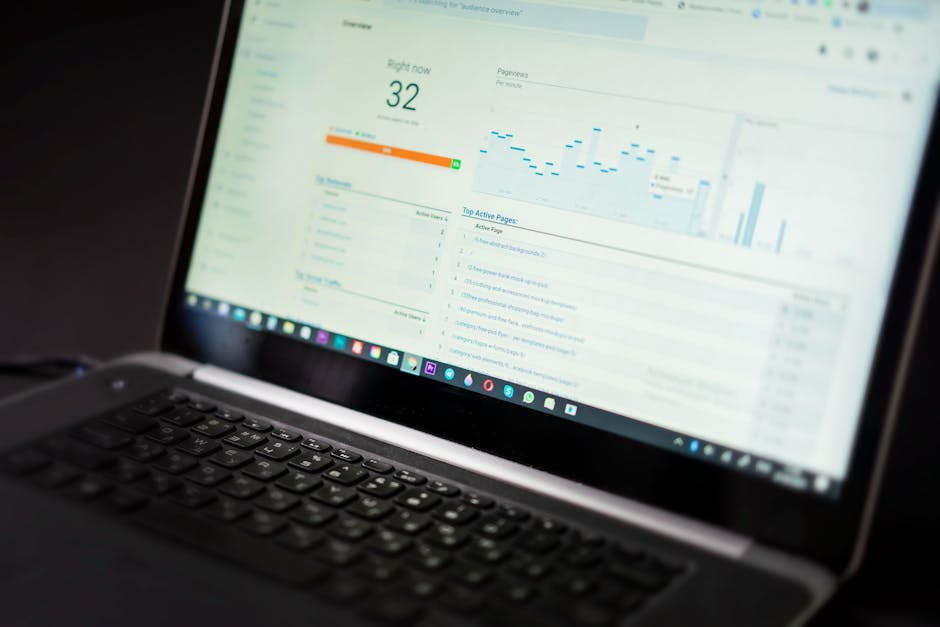
This is why we include an SEO dashboard. You don't need to guess what's working. You can see where you rank, what's improving, and what content is carrying the site.
If you want one simple operating rule, use this:
- If a post hits the top 20 for a relevant query, create 3 more posts around that same theme.
That is how you turn one winner into a cluster (a group of pages that reinforce each other).
Common Mistakes Agencies Make with Automated Content (and How to Avoid Them)
Automated SEO blogs can build serious momentum, but a few mistakes will stall it.

Mistake 1: Publishing Without a Clear "Money Page"
If all your posts are informational, you'll get traffic and no business.
Make sure your site has clear pages for:
- Booking models (with a simple form)
- Applying to the agency (with requirements)
- Core specialties (commercial, lifestyle, events, etc.)
Then your blog posts should point back to those pages naturally.
Mistake 2: Letting Posts Compete with Each Other
If you publish ten posts that all target "how to become a model," they can cannibalize rankings (they fight each other).
Instead, break topics into distinct intents:
- "how to become a commercial model"
- "digitals checklist for agency submissions"
- "what to bring to an open call"
Each page should have a clear, unique purpose.
Mistake 3: Forgetting Local Signals
Local SEO isn't only your Google Business Profile. Your website should reinforce location naturally.
Easy wins:
- Mention your service area in relevant posts.
- Publish niche + city content.
- Add "serving [city/region]" language where it fits.
Don't spam city names. Keep it human.
Mistake 4: Never Updating the Winners
The best SEO content gets better over time. If a post is ranking, it deserves attention.
A light update might be:
- Add a clearer checklist for booking requests.
- Add a short "common mistakes" section.
- Add internal links to related services.
You don't need to rewrite everything. You just need to reinforce what search is already rewarding.
The Simple Plan I'd Run for a Busy Agency Starting This Month
If you're running one of many modeling agencies competing for the same searches, don't overcomplicate it.
Start with a 30-day burst of automated SEO blogs focused on client intent, model intent, and local niches.
Then run a monthly review where you improve the posts that are climbing, and you publish more around the topics that show traction.
That's the compounding flywheel. Coverage first, refinement second, authority third.
If you want to stop losing leads to agencies that simply publish more than you, SEO Sniper is built for this exact gap. Pick the plan that matches your number of websites, turn on automated posting, and use the dashboard to see what's winning.