Best Automated Blog Post Pricing for Marketers: What Entrepreneurs Should Pay (and Why)
AI search changed the pricing game fast. The old model was paying a writer per post, waiting a week, then paying again to fix it. Now the real question entrepreneurs ask is simpler: what's the best automated blog post pricing for marketers if I want steady content without babysitting it every day.
Here's the straight answer. The "best" price is the one that matches your publishing pace, number of sites, and how much you value consistency. Too cheap usually means you still do the hard parts (strategy, tracking, fixing, publishing). Too expensive usually means you're paying agency overhead you don't need.
I run SEO Sniper, and we built our plans for people who want set-and-forget content, plus a dashboard that shows where you rank and what you're doing best on. We price it so entrepreneurs can publish daily without needing an agency.
Best Automated Blog Post Pricing for Marketers Comes Down to One Thing: Output That Actually Compounds
Most pricing pages hide the real lever. It's not "how many words." It's throughput (how often you publish) times coverage (how many topics you can realistically own).
If you publish once, you get a single lottery ticket. If you publish consistently, you build a library that can rank across lots of specific searches. That's why automated pricing is usually structured around posts per day and number of sites, not per-piece billing.
Here's how I think about value in plain terms. You're buying three outcomes:
- Consistent publishing without a weekly scramble
- SEO structure (topics, headings, formatting) that search engines can parse
- Feedback loops (rank tracking, performance views) so you can steer content over time
If a plan gives you output but no visibility, you end up guessing. If it gives you reporting but no content volume, you end up "planning" forever.
At SEO Sniper, our pricing is simple:
- Basic: $59, 1 website (URL), up to 1 automated SEO post per day
- Standard: $149, 3 websites (URLs), 3 automated SEO posts per day
- Pro: built for entrepreneurs, marketers, and big portfolios, 10 websites (URLs), 10 automated SEO posts per day
The point is not to flood your site with random pages. The point is to publish steadily enough that your winners have room to emerge, and your niche has enough coverage to matter.
If you want the bigger framework behind packaging and trade-offs, I laid it out in pricing strategies for automated SEO blog post plans.
A Simple Decision Framework: Choose Your Pricing Tier Based on Your Real-Life Workflow
Entrepreneurs don't fail at SEO because they "don't know SEO." They fail because content slips to the bottom of the list. So the right plan is the one that still runs when you're busy.

Use this decision framework. It's not theory, it's how people actually operate.
Choose a Low Entry Plan If You Have One Site and One Clear Offer
Basic pricing fits a single business site that needs steady coverage.
Pick a 1-site plan if:
- You sell one main service or product line
- You're fine starting with one post per day (or less)
- You want momentum without managing multiple properties
The advantage is focus. Your internal links (links between your pages) stay clean. Your content feels like a single brand, not a scattered portfolio.
The trade-off is speed. If you need to cover lots of sub-topics quickly, one post per day may feel slow.
Choose a Mid-Tier Plan If You Run Multiple Sites or Multiple Angles
Standard-style pricing makes sense when you have more than one URL, or when your business has distinct segments.
Pick a 3-site plan if:
- You have separate brands, locations, or product lines
- You're a marketer managing a few client sites
- You want enough daily volume to test what sticks, without going full-scale
The advantage is flexibility. You can keep each site "on theme" while still publishing daily across a small portfolio.
The trade-off is operations. Three sites means you should care about organization, categories, and topic planning so you don't duplicate yourself.
Choose a Portfolio Plan If You're Competing on Coverage
A higher-output plan is for people who win by owning lots of keywords, across lots of properties.
Pick a 10-site plan if:
- You manage a portfolio, affiliate network, or agency-like setup
- You want enough volume that content becomes a machine
- You don't want writing bottlenecks to cap growth
The advantage is compounding at scale. If you're serious about coverage, this is where automated posting shifts from "helpful" to "unfair."
The trade-off is quality control at the system level. You need guardrails, topic boundaries, and a quick way to see what is working so you can double down.
That's also why we include a robust SEO dashboard. If you can't see performance, scaling content is just scaling noise.
A Worked Example: Pricing Math for an Entrepreneur with One Money Site and One Support Site
Let's make this concrete without pretending SEO is a guaranteed slot machine.
Scenario: You're an entrepreneur with two sites.
- Site A is your main business site.
- Site B is a supporting brand (maybe a niche blog, a knowledge base, or a second offer).
You want daily content, but you also want it to stay organized.
Option 1: Put Everything on a One-Site Plan
If you only have 1 website in your plan, you face a decision. You either:
- Keep all content on Site A, even if some topics are only loosely related, or
- Ignore Site B, and let it fall behind
That can work early on. But it often creates a content problem later. Your main site ends up with "extra" posts that don't support your core offer. That can confuse users, and it can weaken topical focus.
Option 2: Use a Multi-Site Plan and Split Topics on Purpose
With a 3-website plan, you can do something smarter.
- Site A gets content aimed at buyers (service pages, use cases, comparisons)
- Site B gets content aimed at learners (how-to, definitions, troubleshooting)
The non-obvious win is internal clarity. Your buyer-focused pages stay tight, and your support content can still rank without hijacking your brand's main message.
A simple monthly publishing rhythm could look like this:
- Site A: 1 to 2 posts per day focused on commercial intent (people ready to hire or buy)
- Site B: 1 post per day focused on informational intent (people learning, researching)
You are not paying for "posts." You are paying for consistent coverage and a clean separation of intent.
The Mistake Most People Make with Automated Content
They publish a lot, but they don't create clusters (groups of related posts that support a main topic). That's how you end up with 200 posts and no clear winners.
Even with automation, you still need a basic content map.
- Pick 3 to 5 core topics per site
- Publish supporting posts that answer related sub-questions
- Link supporting posts back to the main "money" page or main guide
If you want to do this the right way without overthinking it, start with automated content strategy best practices for blogs.
What You're Really Paying for in Automated SEO Blog Post Pricing (and What You Shouldn't Pay For)
Pricing is confusing because different services bundle different things. Two plans can look similar and perform totally differently.
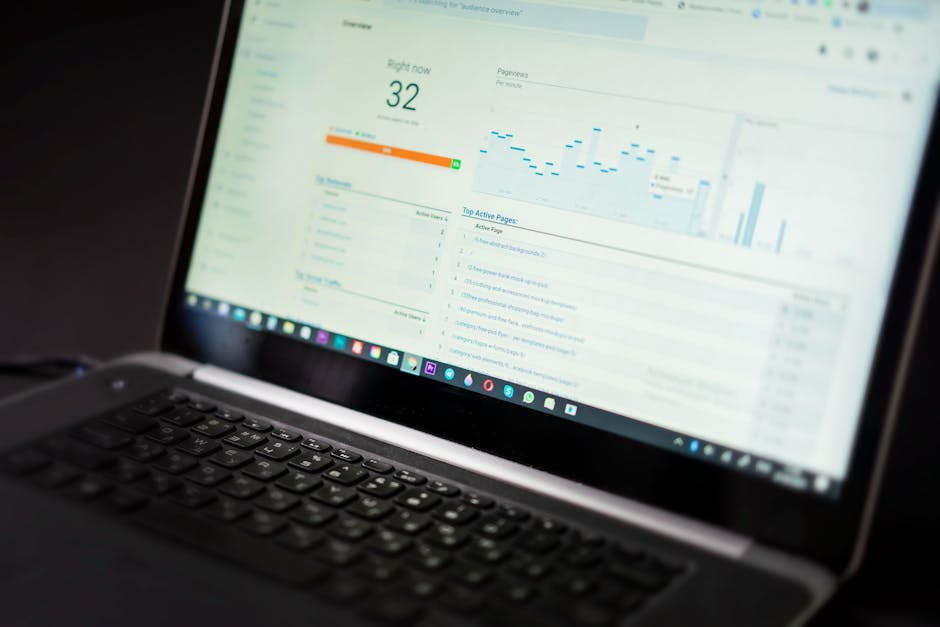
Here's what actually matters for entrepreneurs.
1) Posting Cadence You Can Maintain
A plan that sounds good but only works when you have extra time is not a plan, it's a future regret.
If your content creation depends on your mood, your schedule, or your "next free weekend," it won't compound. Automated publishing fixes that.
2) Clarity on What's Working
This is where many "cheap content" offers fail. You get content, but no feedback.
In our setup at SEO Sniper, the dashboard exists because entrepreneurs need answers like:
- Where am I ranking right now?
- Which pages are moving up?
- What topics seem to perform best?
That's how you decide what to keep publishing.
3) Fit with Your Portfolio Reality
Marketers and entrepreneurs often have more than one site. Pricing should respect that.
If a plan locks you into one URL forever, you'll either:
- Avoid building new sites because "content will be a pain," or
- Split your budget across tools and lose consistency
It's usually better to pick a plan that matches your near-future, not just today.
What You Should Not Pay Extra For
This is my blunt take. Don't overpay for things that don't move rankings or revenue.
- Fancy "brand workshops" that don't lead to publishing
- Endless revisions for style issues you can solve with a clear prompt and structure
- Meetings that replace output
If you want bespoke strategy and hand-crafted edits, that's a different product. Some businesses need it.
Most entrepreneurs need content velocity plus visibility, and they need it at a price that doesn't force them to stop after 30 days.
Diy, Agency, or Automated: the Real Trade-Offs (No Fluff)
This is the comparison people actually want, because pricing alone is meaningless without trade-offs.
DIY Writing
DIY is "cheap" only if you ignore your time.
DIY is a fit if:
- You enjoy writing and can publish consistently
- You have deep expertise and want your personal voice on every page
- You have more time than cash right now
DIY breaks down when you get busy. Most founders do.
Agency Content Packages
Agencies can be great. They can also be slow and expensive for what you get.
Agency is a fit if:
- You need high-touch messaging support
- You want a team to coordinate multiple channels, not just blogging
- You can afford higher monthly retainers and long timelines
Agency breaks down when you pay for overhead instead of output.
Automated SEO Blog Posts
Automation wins when consistency matters more than perfection.
Automated is a fit if:
- You want daily publishing without hiring writers
- You want a simple plan that scales with your portfolio
- You want to build a library of pages that can rank over time
Automation breaks down if you treat it like "set it to random." You still need topic focus and basic intent matching.
If you're comparing automated service pricing to model-based pricing, it helps to see the cost structure side by side. I covered that in Claude API pricing vs automated SEO blog post service pricing for marketers.
How to Compare Automated Pricing Pages Without Getting Tricked
Most pricing pages nudge you toward the wrong decision. They highlight a feature list, not the constraint you'll hit in week three.

Here's the checklist I'd use if I were buying this for my own business.
- How many sites are included? If you plan to grow, you'll want room.
- How many posts per day? This controls how fast you can cover a niche.
- Is there any rank visibility? If not, you're publishing blind.
- Do you control topics, or is it fully automatic? Full automation without guardrails can drift.
- Can you start small without being trapped? A good plan lets you scale as results show up.
Also watch for a quiet pricing trap: per-post add-ons. They often turn "affordable" into "surprise invoice." A flat monthly plan is easier to trust because you can plan around it.
FAQ
How Fast Should I Expect Results From Automated SEO Blog Posts?
SEO timing depends on your site's starting point, your niche, and how competitive your keywords are. In our experience, consistency matters most early on. Publishing daily gives search engines more to index and more chances to find a fit.Is One Post Per Day Enough?
For a single site with a clear niche, one post per day is a strong pace. The key is staying on-topic and building clusters, not bouncing between unrelated subjects.Will Automated Posts Hurt My Site?
Automation isn't the risk, randomness is. If you publish off-topic content, duplicate angles, or thin pages, you can waste crawl and index attention. Keep your topics tight, link related pages, and use performance data to steer.Should I Run Automation on a Brand New Site or an Established Site?
Both can work. New sites benefit from building a base quickly. Established sites benefit from filling content gaps and expanding into adjacent topics. The right plan depends on how many URLs you're managing and how fast you want to publish.The Pricing Move That Most Entrepreneurs Miss
The best automated blog post pricing for marketers is rarely the absolute lowest monthly cost. It's the plan you can run long enough for compounding to kick in, with enough output to discover what Google and real users respond to.
If you want set-and-forget publishing with a clear view into rankings, that's exactly what I built at SEO Sniper. Start with the plan that matches your number of sites and your daily pace, then scale once you see which topics are winning.